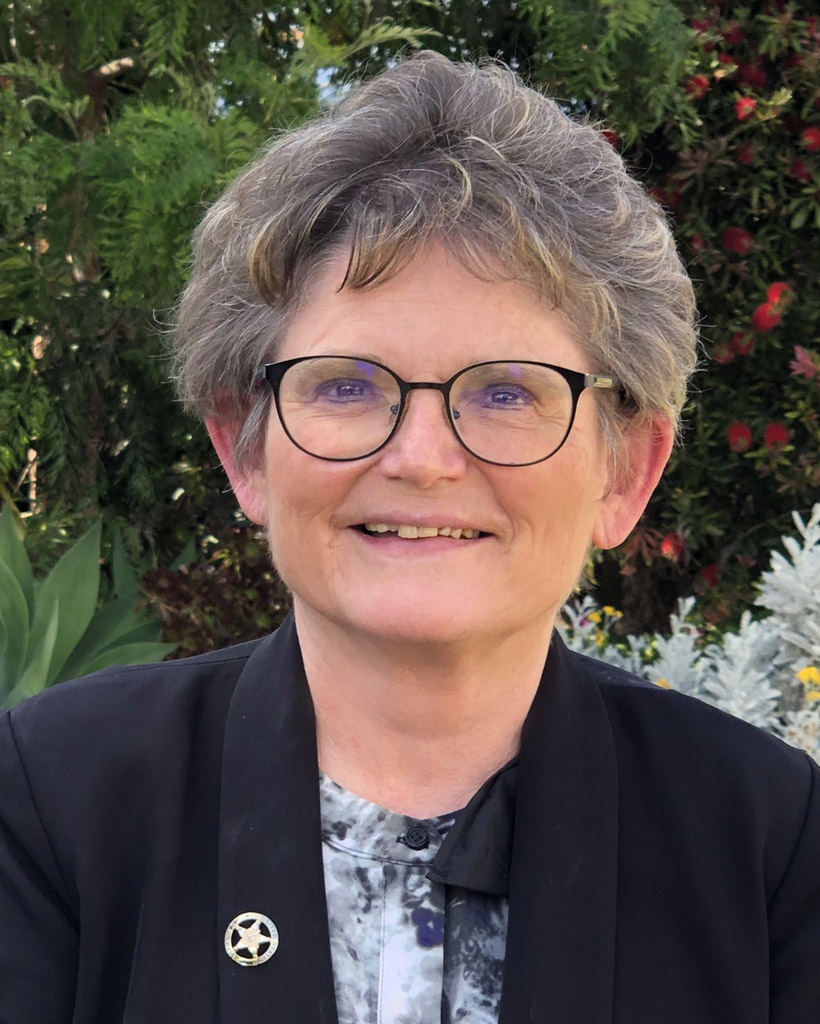
Colleen M. Fitzpatrick
American forensic scientist and genealogistWikipedia
13
MENTIONS
9
EPISODES
7
PODCASTS
Search complete. 13 mentions across 9 episodes found for "Colleen M. Fitzpatrick".
Sep 26, 2026
BrewHOST
As months turned into years, Catherine Slater's search for Benjamin Kyle's real identity had become an emotional odyssey.
BrewHOST
Then, in February 2009, she got a call from someone new, Colleen Fitzpatrick.
BrewHOST
A physicist by training with a PhD from Duke University, Colleen was no ordinary genealogist.
BrewHOST
She had built laser measurement tools for NASA and run her own op- Vendredi.
BrewHOST
Colorado, the 1970s through mid-80s.
BrewHOST
After that, a void.
BrewHOST
But they wouldn't need to rely on Benjamin's memory to determine who he was if Colleen Fitzpatrick was successful.
BrewHOST
She looked through archived local newspapers across Indianapolis, Boulder, and Denver.

BrewHOST
Determined to keep the momentum forward, Lindsey took a leap of faith.
BrewHOST
In 2017, she made contact with Colleen Fitzpatrick, a forensic genealogist and co-founder of the DNA Doe Project, a nonprofit organization known for solving missing person cases through investigative genetic genealogy.
BrewHOST
Since its founding, the organization has solved decades-old cases, including Buckskin Girl, Bell in the Well, and the Joseph Newton Chandler III case.
BrewHOST
They utilize modern DNA technologies alongside databases such as DNA Justice, Family Tree DNA, and GEDmatch to connect missing persons with their relatives.
BrewHOST
Today, there's a powerful new tool that could change everything, genetic genealogy.
BrewHOST
In some of our past videos, which we will link in the description below for those of you interested, we've talked about genetic genealogists such as Eric Schubert, CeCe Moore, and Colleen Fitzpatrick before on this channel and how their groundbreaking work has solved a number of decades-old mysteries.
BrewHOST
Their process is as fascinating as it is effective.
BrewHOST
Using autosomal DNA, they build intricate family trees for the unidentified DNA.

GeorgiaHOST
That could also make sense.
GeorgiaHOST
In June 2016, Elliott contacted the incredible Dr. Colleen Fitzpatrick and Margaret Press about working on the Y-DNA that had already been generated by the state lab, which is the male chromosome that all males in a family share.
GeorgiaHOST
As far back in a genetic family tree as you can go, every single male will share the exact same Y chromosome.
GeorgiaHOST
When you're dealing with an unidentified male, this is a really great way to start the process of identifying them.

Brian Peter FalkGUEST
Not just the United States, in the world, the canal murders case was the very first one.
Brian Peter FalkGUEST
And so I actually became friends with a forensic genealogist named Colleen Fitzpatrick, And she's the one who cracked the case.
Brian Peter FalkGUEST
And we were out.
Brian Peter FalkGUEST
I'm here in L.A. We were out having lunch somewhere.

TaliaHOST
so years go by decades go by yeah it's 19 years that go by and eventually a cold case unit gets formed and they're looking into the canal murders again and they started with that list of 600 people damn and they tried to go through the backgrounds all of that but I mean there's There's 600 people and it was, it was going too slow and they didn't really, they didn't get anywhere, but then they caught a break in 2014.
TaliaHOST
There was this forensic genealogist named Colleen Fitzpatrick.
TaliaHOST
And she went to a conference that law enforcement were having talking about this technique for, you know, genetic DNA and how you can help with cases.
TaliaHOST
Her company was called Identifiers International, and they had developed this software that could mine public genealogy databases and look for matches for DNA.

Katie RingHOST
They carefully recovered bone, specifically a piece of his femur, along with more teeth, and handed it to a private organization that specialized in exactly this kind of impossible case, Identifinders International.
Katie RingHOST
led by a veteran forensic genealogist named Colleen Fitzpatrick.
Katie RingHOST
By 2019, Fitzpatrick was one of the most respected names in the field, a scientist who'd spent years using genealogy to identify remains that had defeated everyone else.
Katie RingHOST
If anyone could pull a name out of the boy's bones, it was her.

Kris CollinsHOST
as a nonprofit set up to do one thing, give John and Jane Doe's their names back using genetic genealogy.
Kris CollinsHOST
Now, co-founder Margaret Press, PhD, was a writer and genealogist, and co-founder Colleen Fitzpatrick, PhD, was a retired nuclear physicist who had moved into forensic genealogy.
Kris CollinsHOST
And this project uses genetic genealogy to help law enforcement solve crimes.
Kris CollinsHOST
So they took their first case in September of 2017 and incorporated the month after.

speaker_0NARRATOR
From there it is a matter of building the tree, identifying where the branches converge and narrowing to the individual who fits the demographic profile.
speaker_0NARRATOR
Abbott worked with Colleen Fitzpatrick, an American forensic genealogist.
speaker_0NARRATOR
The tree they built ran to thousands of people, and in July of 2022 they announced a name, Carl Webb, born in 1905 in Footscray in Melbourne, an electrical engineer and instrument maker.
speaker_0NARRATOR
the youngest of six children.