Civilian Conservation Corps
Government agencyWikipedia
176
MENTIONS
50
EPISODES
42
PODCASTS
Search complete. 176 mentions across 50 episodes found for "Civilian Conservation Corps".
Sep 12, 2026

Billy FlemingGUEST
And mega firms like then Ashland Oil, now AECOM, kind of consolidating and buying up many of those offices, um, keeping their clients, not keeping all of their workers, and many of those, those folks ending up in kind of a, a hidden or submerged, um, design bureaucracy that was spread across the entirety of the federal government, uh, that was required at the time to essentially project manage the quarter million or so built environment projects that were being, uh, planned and designed and built around the United States.
Billy FlemingGUEST
And, um, at least on the landscape architecture side, uh, Phoebe Cutler, um, wrote this really incredible book, um, which I think is-- I'm blanking on the name now, but it's something like The Public Landscapes of the New Deal, and it traces kind of the, the sociology or the history of the profession of landscape architecture from that moment of crisis and collapse into its kind of role then in managing the build-out of all the things the Civilian Conservation Corps, Works Progress Administration, and so on built.
Billy FlemingGUEST
Um, and so, you know, this again is like getting back into, you know, some earlier conversation we had about like, maybe what do we take from the New Deal as we think about, you know, what a Green New Deal, what a green economic populist, um, agenda could look like in the future.
Billy FlemingGUEST
And one of those is we have to find different ways to handle procurement, uh, which is a really boring thing to say, but, like, we cannot leave the energy transition in the hands of the same firms who have brought us into this world of high carbon, of mass incarceration, and of all the different infrastructures of misery, um, that we have to either unbuild or replace.

Billy FlemingGUEST
And, um, at least on the landscape architecture side, uh, Phoebe Cutler, um, wrote this really incredible book, um, which I think is-- I'm blanking on the name now, but it's something like The Public Landscapes of the New Deal.
Billy FlemingGUEST
And it traces kind of the, the sociology or the history of the profession of landscape architecture from that moment of crisis and collapse into its kind of role then in managing the build-out of all the things the Civilian Conservation Corps, Works Progress Administration, and so on built.
Billy FlemingGUEST
Um, and so, you know, this again is like getting back into, you know, some earlier conversation we had about like, maybe what do we take from the New Deal as we think about, you know, what a Green New Deal, what a green economic populist, um, agenda could look like in the future.
Billy FlemingGUEST
And one of those is we have to find different ways to handle procurement, uh, which is a really boring thing to say, but, like, we cannot leave the energy transition in the hands of the same firms who have brought us into this world of high carbon, of mass incarceration, and of all the different infrastructures of misery, um, that we have to either unbuild or replace.

Billy FlemingGUEST
And many of those folks ending up in kind of a hidden or submerged design bureaucracy that was spread across the entirety of the federal government that was required at the time to essentially project manage the quarter million or so built environment projects that were being planned and designed and built around the United States and At least on the landscape architecture side, Phoebe Cutler wrote this really incredible book, which I think is, I'm blanking on the name now, but it's something like The Public Landscapes of the New Deal.
Billy FlemingGUEST
And it traces kind of the sociology or the history of the profession of landscape architecture from that moment of crisis and collapse into its kind of role then in managing the build out of all the things the Civilian Conservation Corps, Works Progress Administration, and so on built.
Billy FlemingGUEST
Um, and so, you know, this again is like getting back into, you know, some earlier conversation we had about like, maybe what do we take from the new deal as we think about, you know, what a green new deal, what a green economic populist agenda could look like in the future.
Billy FlemingGUEST
And one of those is we have to find different ways to handle procurement, which is a really boring thing to say, but like, we cannot leave the energy transition in the hands of the same firms who have brought us into this world.

Billy FlemingGUEST
And, um, at least on the landscape architecture side, uh, Phoebe Cutler, um, wrote this really incredible book, um, which I think is-- I'm blanking on the name now, but it's something like The Public Landscapes of the New Deal.
Billy FlemingGUEST
And it traces kind of the, the sociology or the history of the profession of landscape architecture from that moment of crisis and collapse into its kind of role then in managing the build-out of all the things the Civilian Conservation Corps, Works Progress Administration, and so on built.
Billy FlemingGUEST
Um, and so, you know, this again is like getting back into, you know, some earlier conversation we had about, like, maybe what do we take from the New Deal as we think about, you know, what a Green New Deal, what a green economic populist, um, agenda could look like in the future.
Billy FlemingGUEST
And one of those is we have to find different ways to handle procurement, uh, which is a really boring thing to say, but, like, we cannot leave the energy transition in the hands of the same firms who have brought us into this world of high carbon, of mass incarceration, and of all the different infrastructures of misery, um, that we have to either unbuild or replace.

Billy FlemingGUEST
And many of those folks ending up in kind of a hidden or submerged design bureaucracy that was spread across the entirety of the federal government that was required at the time to essentially project manage the quarter million or so built environment projects that were being planned and designed and built around the United States and At least on the landscape architecture side, Phoebe Cutler wrote this really incredible book, which I think is, I'm blanking on the name now, but it's something like The Public Landscapes of the New Deal.
Billy FlemingGUEST
And it traces kind of the sociology or the history of the profession of landscape architecture from that moment of crisis and collapse into its kind of role then in managing the build out of all the things the Civilian Conservation Corps, Works Progress Administration, and so on built.
Billy FlemingGUEST
Um, and so, you know, this again is like getting back into, you know, some earlier conversation we had about like, maybe what do we take from the new deal as we think about, you know, what a green new deal, what a green economic populist agenda could look like in the future.
Billy FlemingGUEST
And one of those is we have to find different ways to handle procurement, which is a really boring thing to say, but like, we cannot leave the energy transition in the hands of the same firms who have brought us into this world.

Billy FlemingGUEST
And many of those folks ending up in kind of a hidden or submerged design bureaucracy that was spread across the entirety of the federal government that was required at the time to essentially project manage the quarter million or so built environment projects that were being planned and designed and built around the United States and At least on the landscape architecture side, Phoebe Cutler wrote this really incredible book, which I think is, I'm blanking on the name now, but it's something like The Public Landscapes of the New Deal.
Billy FlemingGUEST
And it traces kind of the sociology or the history of the profession of landscape architecture from that moment of crisis and collapse into its kind of role then in managing the build out of all the things the Civilian Conservation Corps, Works Progress Administration, and so on built.
Billy FlemingGUEST
Um, and so, you know, this again is like getting back into, you know, some earlier conversation we had about like, maybe what do we take from the new deal as we think about, you know, what a green new deal, what a green economic populist agenda could look like in the future.
Billy FlemingGUEST
And one of those is we have to find different ways to handle procurement, which is a really boring thing to say, but like, we cannot leave the energy transition in the hands of the same firms who have brought us into this world.

Billy FlemingGUEST
And many of those folks ending up in kind of a hidden or submerged design bureaucracy that was spread across the entirety of the federal government that was required at the time to essentially project manage the quarter million or so built environment projects that were being planned and designed and built around the United States and At least on the landscape architecture side, Phoebe Cutler wrote this really incredible book, which I think is, I'm blanking on the name now, but it's something like The Public Landscapes of the New Deal.
Billy FlemingGUEST
And it traces kind of the sociology or the history of the profession of landscape architecture from that moment of crisis and collapse into its kind of role then in managing the build out of all the things the Civilian Conservation Corps, Works Progress Administration, and so on built.
Billy FlemingGUEST
Um, and so, you know, this again is like getting back into, you know, some earlier conversation we had about like, maybe what do we take from the new deal as we think about, you know, what a green new deal, what a green economic populist agenda could look like in the future.
Billy FlemingGUEST
And one of those is we have to find different ways to handle procurement, which is a really boring thing to say, but like, we cannot leave the energy transition in the hands of the same firms who have brought us into this world.

F Nolan BallHOST
It was a time of government-sponsored programs for work.
F Nolan BallHOST
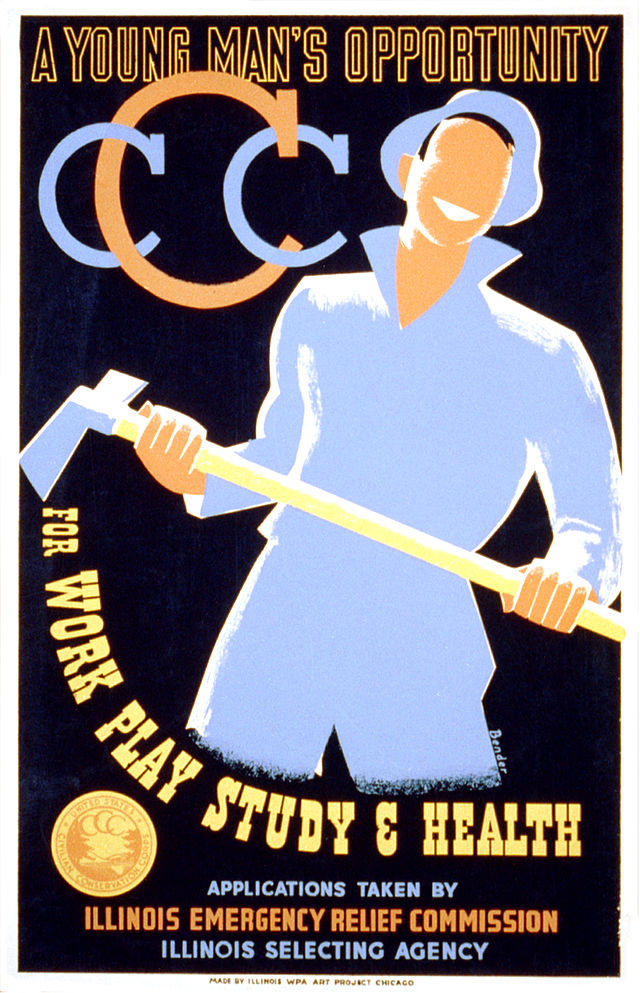
The CCC, Civilian Conservation Corps, that employed a lot of young men out of homes that could not provide for them, and took them off to plant trees and build roads and toughen them up for a war that was just down the road, and send a little check home to the family.
F Nolan BallHOST
It was a time when men lined up for welfare payments.
F Nolan BallHOST
It was a time when men sought for WPA work and usually if there was any of that going on, there was only about enough to employ about half the people, so they took turns.

Steve StocktonHOST
Alfred was with his family on a trail near Fall River when he fell behind the rest of them and vanished.
Steve StocktonHOST
A search began immediately and expanded to more than 100 Civilian Conservation Corps members within 45 minutes, but there was barely any sign of Alfred anywhere.
Steve StocktonHOST
The authorities originally believed Alfred had fallen into the river.
Steve StocktonHOST
They dammed it up and dragged it for six miles, but didn't find any sign of him.

Pat LeachHOST
One of the three, William Brewster, will become the founder of the American Ornithological Union.
Pat LeachHOST
Then the final chapter before McCallman's epilogue, titled Ding Darling and the Great Depression, brings the book to its conclusion, noting that one of the outcomes of the bottom dropping out of land prices during that time was that key wildlife conservation property could be bought at a low price by the federal government, and then the massive number of people working in New Deal agencies, especially in the Civilian Conservation Corps, could plant trees or clear them away, to create places to protect wildlife.
Pat LeachHOST
Ding Darling himself probably deserves a book.
Pat LeachHOST
Our cartoonist and Republican who did extraordinary work on behalf of conservation in the administration of Democrat Franklin D. Roosevelt.
40 more episodes mention Civilian Conservation Corps.
Create an account to see the whole feed, search across every transcript, and follow the entities you care about.