Civil investigative demand
2
MENTIONS
2
EPISODES
2
PODCASTS
Search complete. 2 mentions across 2 episodes found for "Civil investigative demand".
Sep 24, 2026

Lauri F. RasnickHOST
This includes the wave of enforcement activity now targeting DEI programs.
Lauri F. RasnickHOST
So the government is turning to the False Claims Act, a law that was built to punish fraud, not social policy, into its weapon of choice against DEI programs, even though it still hasn't defined what illegal DEI actually means.
Lauri F. RasnickHOST
What happens when a certification your organization has relied on for years suddenly becomes the basis for a fraud claim? Why are employers, universities, and nonprofits now getting civil investigative demands that traditionally used to land only on healthcare institutions and government contractors? And how do you show good faith compliance without waiving privilege? If you like what you hear today, please subscribe to the show, Diagnosing Healthcare.
Lauri F. RasnickHOST
It's available wherever you get your podcasts.
Lauri F. RasnickHOST
So joining us today for our discussion is Daniela Lee, a member of the firm in our Tampa office.

Peter KellyHOST
And then David is going to talk to us about the White House's recent executive order on quantum computing.
Peter KellyHOST
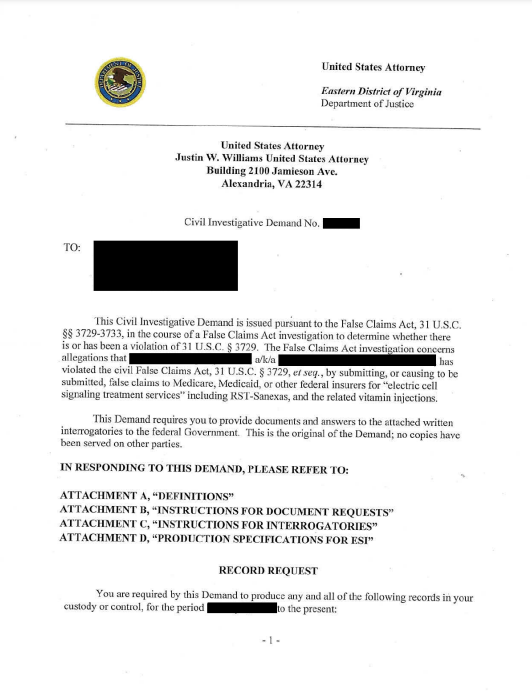
So the first case that I'll be sharing concerns a civil investigative demand, or CID, and an E&O policy's definition of claim.
Peter KellyHOST
Here, a technology company sought coverage for costs it had incurred after federal regulator investigated its privacy and security practices, which had then spawned several related consumer lawsuits.
Peter KellyHOST
The initial CID stated that its purpose was to determine whether the company engaged in any wrongdoing and requested answers to interrogatories and documents related to potential violations.