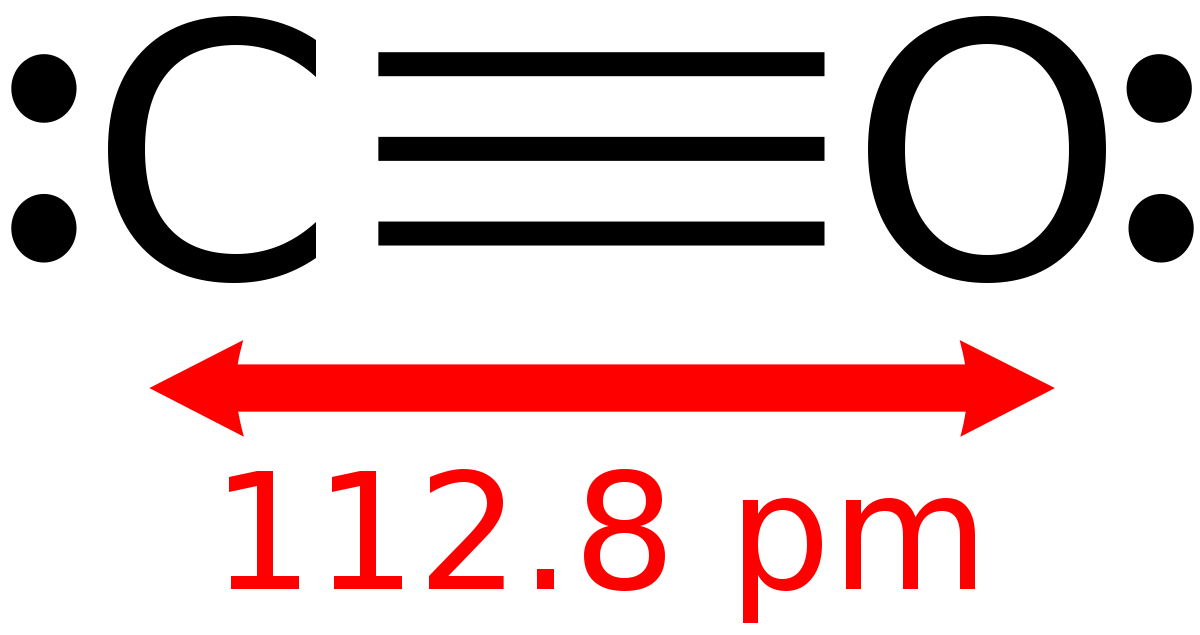
Carbon monoxide

Carbon monoxide

CompoundWikipedia

Search complete. 48 mentions across 3 episodes found for "Carbon monoxide".

Sep 7, 2026

Mike ReillyGUEST
9:50
I mean, I know pools, we talked about ceiling fans, bunk beds, that sort of thing.
Mike ReillyGUEST
9:56
How about on the carbon monoxide? My wife actually just got some for our house, these little detectors you plug into the wall.
Mike ReillyGUEST
10:03
I don't know what you recommend, but I saw something last month, I think, at an Airbnb.
Mike ReillyGUEST
10:09
There are some fatalities from carbon monoxide.
Justin FordGUEST
10:13
Yeah.
Justin FordGUEST
10:13
Carbon monoxide is an interesting one in the press.
Justin FordGUEST
10:17
They've been getting a lot of attention.
Justin FordGUEST
10:18
There's been 19 fatalities at short-term rentals from carbon monoxide since 2015.
TowerHOST
1:20
AviationSoul.com. All right? Carbon monoxide, where it comes from in your aircraft.
TowerHOST
1:25
Why? The current level of awareness in the GA community is genuinely dangerous.
TowerHOST
1:30
And what the fix looks like? CO is a byproduct of combustion.
TowerHOST
1:33
Your piston engine produces it in significant quantities every time you fly under normal operation.
TowerHOST
1:38
That exhaust exits through your exhaust system and goes overboard.
TowerHOST
1:55
That air picks up heat from the muffler surface and gets directed into the cabin.
TowerHOST
2:00
Simple, effective, and completely unshielded.
TowerHOST
2:03
The moment there is any defect in the muffler wall, any crack in the exhaust manifold, any failure in the heat exchanger that separates exhaust gases from cabin airflow, combustion gases including CO can enter your cabin directly.

Unknown podcast

NATE HVAC Exam Prep 9, Combustion Venting and Carbon Monoxide Safety

Aug 27 · 4 Mentions

Ran ChenHOST
0:00
Mastering combustion venting and carbon monoxide safety is critical for passing the Nate HVAC exam because questions on this topic test your direct knowledge of gas furnace thermodynamics, code compliance, and life safety protocols.
Ran ChenHOST
0:16
On the exam, you will be tested heavily on the difference between complete and incomplete combustion.
Ran ChenHOST
0:22
Complete combustion occurs when a hydrocarbon fuel reacts with sufficient oxygen, producing harmless carbon dioxide, water vapor, nitrogen, and heat.
Ran ChenHOST
0:33
Incomplete combustion occurs when there is an oxygen deficiency, lower flame temperature, or premature flame cooling, which creates deadly carbon monoxide, soot, and aldehydes.
Ran ChenHOST
0:44
Nate exam questions frequently try to trick you by confusing primary air and secondary air.
Ran ChenHOST
0:50
Remember that primary air is injected into and mixed with the fuel before ignition at the burner manifold, while secondary air is drawn into the combustion zone around the flame to complete the burning process.
Ran ChenHOST
1:44
Flame characteristics provide immediate visual diagnostic clues on test questions.
Ran ChenHOST
1:49
A healthy natural gas flame features a sharp, distinct blue inner cone with a lighter blue outer mantle.

We value your privacy

We use cookies to understand how you use our platform and to improve your experience. Click “Accept All” to consent, or “Decline non-essential” to opt out of non-essential cookies. Read our Privacy Policy.