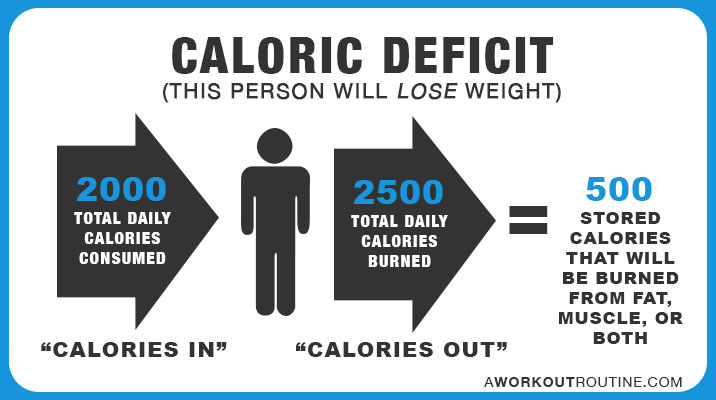
Caloric deficit
29
MENTIONS
5
EPISODES
5
PODCASTS
Search complete. 29 mentions across 5 episodes found for "Caloric deficit".
Nov 2, 2026

Lauren HubertHOST
And I just want to be clear.
Lauren HubertHOST
that calorie deficit is important for fat loss.
Lauren HubertHOST
And sometimes we do need to eat less because you have to eat less calories to get into a deficit if you're in maintenance right now or you're in a surplus and gaining fat.
Lauren HubertHOST
But that doesn't necessarily mean you have to eat less food.
9 MINS LATER
Lauren HubertHOST
But if we're really trying to see results and we are finding ourselves not week over week doing a lot of the same things, instead of dropping calories, we'd want to get very honest about our execution when it comes to exercise.
Lauren HubertHOST
This also means the type of workouts you're doing.
Lauren HubertHOST
not from the sense that you can't change the type of workout that you're doing, but from the perspective that anytime we're changing something in our execution, especially with the spotlight being on exercise, that may influence the results we're trying to see and may influence your ability to get your body in a calorie deficit based upon the actual exercise that you're doing.
Lauren HubertHOST
When you're changing your exercise, you're changing your calorie intake, you're changing your macronutrient needs.

KacyHOST
We are your host, Kasey and Tyler.
KacyHOST
You know me as the calorie deficit queen.
KacyHOST
We have lost a collective 130 pounds.
KacyHOST
We use the four Ms of fitness, mind shift, meal shift, micro habits, and muscle building to create both attainable and sustainable fat loss.
KacyHOST
And one night out does not cancel an entire week of consistency.
KacyHOST
But this is the important part.
KacyHOST
Alcohol can make it harder to maintain a calorie deficit.
KacyHOST
Like sometimes that's because the calories in the drink themselves decrease.

Eve GuzmanHOST
And then literally in one meal, your deficit from the week, you eat back.
Eve GuzmanHOST
Randall didn't say it, but if you're not in a calorie deficit, you're not going to lose weight.
Eve GuzmanHOST
That is how people lose weight.
Randall GuzmanHOST
Yeah, for sure.
Eve GuzmanHOST
So if you're not in a deficit, all the stuff you're doing, it doesn't matter.
Eve GuzmanHOST
You've got to be in a calorie deficit.
Eve GuzmanHOST
But weekends is where people just free for all.
Randall GuzmanHOST
Spaz out.

Brandon DeCruzHOST
So here's how I define spot reduction based on what the actual most recent literature shows.
Brandon DeCruzHOST
Spot reduction is the potential to lose fat preferentially from a specific region when you combine localized resistance training for that area, which increases blood flow and fat breakdown in the fat tissue sitting right next to the working muscle, with cardio performed afterward to actually burn off those liberated fatty acids all while you're still holding a consistent calorie deficit.
Brandon DeCruzHOST
The myth is that one exercise can do the entire job of eliciting spot reduction.
Brandon DeCruzHOST
My definition is a sequence of things working together, direct training to mobilize the fat, cardio to oxidize it, and a calorie deficit underneath the whole thing to make sure you're still in a state of net fat loss.
Brandon DeCruzHOST
Every one of those pieces has to be present.
Brandon DeCruzHOST
Take any single one of those away, and the effect falls apart, which is exactly why the isolated approaches people tried for decades never worked.
5 MINS LATER
Brandon DeCruzHOST
The main way your body triggers this is through hormones called catecholamines, specifically adrenaline and noradrenaline, or epinephrine and norepinephrine, as they're also known.
Brandon DeCruzHOST
These are your fight-or-flight hormones, and one of their jobs is to signal to your fat cells to release stored fat for fuel.

Andrea AllenHOST
But his calories stayed lower.
Andrea AllenHOST
It was a calorie deficit for him for that short-term window.
Andrea AllenHOST
So he had been eating more, he came into a calorie deficit, and then he lost the weight.
Andrea AllenHOST
Now please hear me out.
Andrea AllenHOST
I am not telling you that you should go on a Twinkie diet [laughs] while you eat less food.
Andrea AllenHOST
Number one, I'm going to link some reverse diet episodes in the show notes because often I do have clients who eat pretty clean, but they're not eating enough.
Andrea AllenHOST
They're eating under their total daily energy intake.
Andrea AllenHOST
And so what's happening is they're already at such a low intake, so like they're basically already living in a calorie deficit, that I can't take them any lower, that I have to basically reverse diet them, slowly bring their intake up to what their maintenance would be, and then you can do short-term calorie deficits down the road once you're starting from a stronger metabolism.