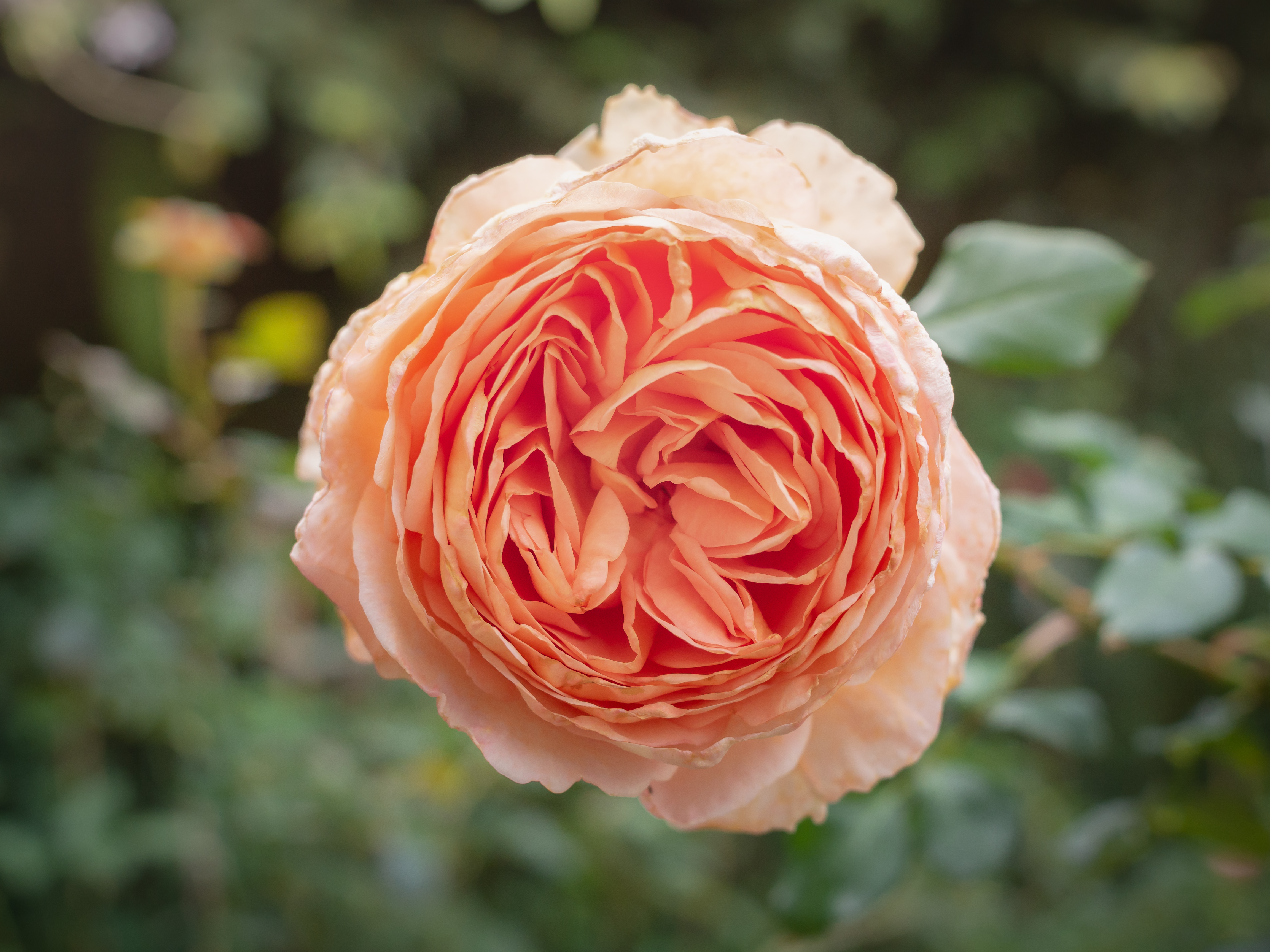
Cabbage rose

Cabbage rose

Search complete. 2 mentions across 2 episodes found for "Cabbage rose".

Sep 21, 2026

Unknown podcast

Short Nonfiction Collection, Vol. 052-Various

Sep 21 · 1 Mention

Sue AndersonNARRATOR
76:50
Today, we find the cultivation of the rose established also, to some extent, in Germany, Tunis, Algeria, Egypt, and Morocco.
Sue AndersonNARRATOR
77:00
to secure the most successful results in the culture of the rose several conditions are essential the soil should be easily permeable to water hence the sandy slopes of the southern sides of the balkans are so favourable to good growth plenty of fuel and water in the immediate locality is an essential for good results as the flowers must be distilled very soon after they are picked in bulgaria the rose bushes are planted close together forming compact hedges in rows of about fifty to one hundred yards in length the full height of the mature plant is six to seven feet between each row a space of about six feet is left allowing two men to walk abreast the rose cultivated for otho in bulgaria is a variety of rosa damascena the red damask rose it is to be distinguished from the english cabbage rose provence rose rosa which is cultivated for rose perfume in the south of france by the greater size of its spines its green bark elongated fruit and longer reflexed sepals Its tendency to develop a second crop of flowers in November exemplifies the tendency which all the descendants of Rosa centifolia have to revert to the original type.
Sue AndersonNARRATOR
78:34
it will not be necessary for us to enter into any details of the cultivation of the flour in germany or france as what little atoll is produced in these countries is absorbed locally in the main and the world depends essentially for its supply on the bulgarian output we may therefore now pass on to the harvesting and distillation in very hot summers the harvesting takes place most rapidly and the whole of the plants may complete their flowering in from fourteen to twenty days but in more normal seasons with moderate temperatures and warm frequent rains the harvest may last a full month the time of the rose gathering in normal years lies between the fifteenth and twenty fifth of may and finishes about the middle of june such normal harvests are by far the most profitable to the distillers and the otto produced is probably of finer quality than when the distillation has to be forced along too rapidly for example if a rapid harvest takes place lasting only fourteen days the same number of stills will have to deal with twice the weight of flowers per day that have to be treated in a harvest lasting a month and the risk of burning the flowers and so imparting a bad odor to the otole is great women and children usually gather the flowers and picking commences at daybreak the flowers are picked with their sepals on and those are not separated at all the whole flower being distilled roughly one thousand roses weigh one kilogram and a hectare about two point five acres yields about three million flowers which yield in their turn about one kilo of otto thus it takes about one hundred thousand roses to yield an ounce of otto every open or half-opened flower is gathered frequently when the early morning dew is on them as it is most important that they should not be gathered whilst the heat of the sun is on them picking usually continues till ten or eleven o'clock or if the day be cloudy till considerably later roses gathered when the sun is hot on them have a comparatively feeble odour and yield much less otto the flowers are carried as quickly as possible to the distilleries where they are distilled as rapidly as possible in times of very rapid harvests the flowers come in too rapidly and the flowers may often be left twenty-four hours before being distilled when such is the case much loss is occasioned as the flowers deteriorate and lose their fragrance and often begin to ferment thus yielding a much inferior the obstruction at the distillery owing to the number of flowers may even be so great that all the flowers cannot possibly be distilled and may have to be thrown away the few large distilleries not only distil their own roses but buy all those of the immediate neighbourhood from peasant growers who have not the good fortune to possess a still the lack of water is another frequent reason why a peasant has to sell his flowers as distillation is then impossible the stills are built up under rough wooden sheds open on one side there may be one or two in a peasants distillery or a large number in a row in the case of the merchant distiller the condensation water is in the more primitive distilleries led by a wooden gutter fixed to the roof and as it passes each of the condensing tubs it gives a supply of cold water to each condenser it is obvious that the best position for the distilling sheds is near a watercourse in the poorer peasants farms the distillation sheds are merely temporary thatched huts put up to last the harvest time the absence of a water supply of course forces a peasant to sell his harvest to the nearest distillery the stills or alembics are made of sheet copper and are in the shape of a truncated cone the body is about three feet six inches in height consisting of a bottom piece and a superimposed portion joined at the middle by a tin band the diameter of the body at this point is about two feet eight inches the diameter of the neck is about ten inches the head somewhat resembles the shape of a mushroom and is about twelve inches in height from this head a straight inclined tube leads to a worm condenser in a tub of cold water the average contents of a still are about twenty gallons the charge usually being about ten kilos of flowers and seventy five liters of water a brisk fire is kept up for an hour or two and when ten litres of the liquid have been distilled over the fire is drawn at times fifteen litres are distilled but the resulting otto then sometimes contains more steroptine than usual the still is then opened and the exhausted flowers are thrown away and the residual hot water made up to seventy five liters with cold water is returned to the still with a fresh charge of flowers the operation is repeated until about forty liters of distillate are collected this is now redistilled and the first five liters collected in a long-necked flask the remaining thirty five leaders are used for distilling again with fresh flowers the five leaders collected are allowed to stand and the otoe floating on the surface collects in the neck of the flask from which it is removed by a tiny tin funnel with a very small orifice to allow the water to drain away it cannot be denied that this method of treating so delicate a flower as the rose by distillation over a naked fire is very primitive and little short of barbarous but there is no doubt that as the conditions become more favourable more scientific methods of distillation will be adopted the details of the distillation are of course varied but the only important variation to which attention need be called is that by which the so-called green otto is obtained this otto is of a greenish colour and is said to be obtained by allowing the first distillation waters to stand and the oil floating on the surface is separated without any further distillation of the water at one time it was a common practice to sprinkle the leaves with so-called turkish geranium oil and so obtain a high yield of otto heavily adulterated such practices are of course still common but to-day one can say with certainty that there are many honest distillers of otto of rose in bulgaria so much for the harvesting and distillation of the otto it is not necessary to deal with the manner in which these operations are carried out in other countries as their importance in the otto of rose trade is quite insignificant as compared with that of bulgaria end of from rose petals to rose oil an excerpt from the rose its history published by petko and orazov shippers and distillers of genuine bulgarian auto of rose 1908 read for librivox by sue anderson
speaker_11NARRATOR
87:20
John Johnston of Sault Ste.
Sue AndersonNARRATOR
79:36
Today, we find the cultivation of the rose established also, to some extent, in Germany, Tunis, Algeria, Egypt, and Morocco.
Sue AndersonNARRATOR
79:47
to secure the most successful results in the culture of the rose several conditions are essential the soil should be easily permeable to water hence the sandy slopes of the southern sides of the balkans are so favourable to good growth plenty of fuel and water in the immediate locality is an essential for good results as the flowers must be distilled very soon after they are picked in bulgaria the rose bushes are planted close together forming compact hedges in rows of about fifty to one hundred yards in length the full height of the mature plant is six to seven feet between each row a space of about six feet is left allowing two men to walk abreast the rose cultivated for otho in bulgaria is a variety of rosa damascena the red damask rose it is to be distinguished from the english cabbage rose provence rose rosa which is cultivated for rose perfume in the south of france by the greater size of its spines its green bark elongated fruit and longer reflexed sepals Its tendency to develop a second crop of flowers in November exemplifies the tendency which all the descendants of Rosa centifolia have to revert to the original type.
Sue AndersonNARRATOR
81:21
it will not be necessary for us to enter into any details of the cultivation of the flour in germany or france as what little atoll is produced in these countries is absorbed locally in the main and the world depends essentially for its supply on the bulgarian output we may therefore now pass on to the harvesting and distillation in very hot summers the harvesting takes place most rapidly and the whole of the plants may complete their flowering in from fourteen to twenty days but in more normal seasons with moderate temperatures and warm frequent rains the harvest may last a full month the time of the rose gathering in normal years lies between the fifteenth and twenty fifth of may and finishes about the middle of june such normal harvests are by far the most profitable to the distillers and the otto produced is probably of finer quality than when the distillation has to be forced along too rapidly for example if a rapid harvest takes place lasting only fourteen days the same number of stills will have to deal with twice the weight of flowers per day that have to be treated in a harvest lasting a month and the risk of burning the flowers and so imparting a bad odor to the otole is great women and children usually gather the flowers and picking commences at daybreak the flowers are picked with their sepals on and those are not separated at all the whole flower being distilled roughly one thousand roses weigh one kilogram and a hectare about two point five acres yields about three million flowers which yield in their turn about one kilo of otoe thus it takes about one hundred thousand roses to yield an ounce of otoe every open or half-opened flower is gathered frequently when the early morning dew is on them as it is most important that they should not be gathered whilst the heat of the sun is on them picking usually continues till ten or eleven o'clock or if the day be cloudy till considerably later roses gathered when the sun is hot on them have a comparatively feeble odour and yield much less the flowers are carried as quickly as possible to the distilleries where they are distilled as rapidly as possible in times of very rapid harvests the flowers come in too rapidly and the flowers may often be left twenty-four hours before being distilled when such is the case much loss is occasioned as the flowers deteriorate and lose their fragrance and often begin to ferment thus yielding a much inferior otole the obstruction at the distillery owing to the number of flowers may even be so great that all the flowers cannot possibly be distilled and may have to be thrown away the lack of water is another frequent reason why a peasant has to sell his flowers as distillation is then impossible the stills are built up under rough wooden sheds open on one side there may be one or two in a peasant's distillery or a large number in a row in the case of the merchant distiller The condensation water is in the more primitive distilleries, led by a wooden gutter fixed to the roof.
Sue AndersonNARRATOR
85:26
And as it passes each of the condensing tubs, it gives a supply of cold water to each condenser.

We value your privacy

We use cookies to understand how you use our platform and to improve your experience. Click “Accept All” to consent, or “Decline non-essential” to opt out of non-essential cookies. Read our Privacy Policy.