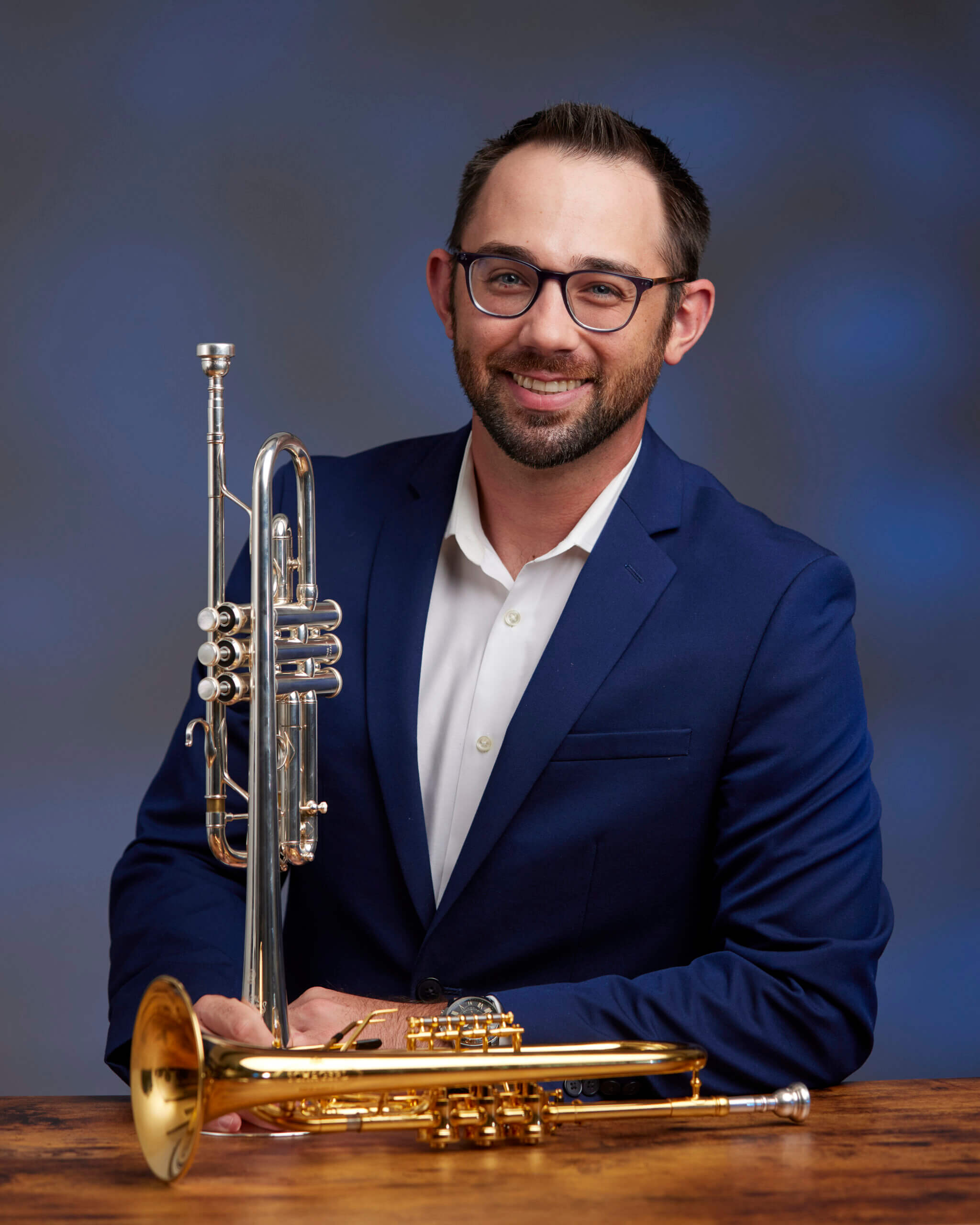
Bobby Gallagher
10
APPEARANCES
7
PODCASTS
Sep 18, 2026

Bobby GallagherGUEST
so we're delivering um first commercial pilot units in 28 and 29 um roughly yeah up to about 80 megawatts of power and then by early 2030s we uh we want to have one gigawatt of manufacturing capacity and we have um you mentioned a 10 billion dollar backlog it's actually 140 billion dollar backlog now of customers and so it would be in the order of Right now, if you wanted to get in line, it'd be in 2030 because of the customers we have already in line.
Bobby GallagherGUEST
But from a commercial perspective, yeah, it'd be – Early 2030s would be the first units that get delivered, and it's about six months from order to delivery once we get the production facility up and running.

Shane DohertyHOST
Just before I let you go, Bobby, how did a Brisbane boy get into this high tech industry?
Bobby GallagherGUEST
I had a phenomenal career in the military and that put me through engineering school.
Bobby GallagherGUEST
And then, like many Australians, I had a great expat career in East Asia, building very large ships and projects in the shipyards in Korea and Japan and China and Singapore.
Bobby GallagherGUEST
And then I had the opportunity to go to America to build... to build a company that Mark Wahlberg made a movie about the problem.
Bobby GallagherGUEST
so we're delivering um first commercial pilot units in 28 and 29 um roughly yeah up to about 80 megawatts of power And then by early 2030s, we want to have one gigawatt of manufacturing capacity.
Bobby GallagherGUEST
It would be in the order of right now, if you wanted to get in line, it'd be in 2030 because of the customers we have already in line.

Jason MatthewsHOST
Just before I let you go, Bobby, how did a Brisbane boy get into this high tech industry?


Will ShackelHOST
Is it, you know, mining sites, on the grid, data centers? What are the applications for your nuclear reactor technology?
Bobby GallagherGUEST
So, so we've had three big public announcements over the last month or so, um, that, that really form the key verticals that we're, we're looking to, to head into.
Bobby GallagherGUEST
So, um, the first one is, um, in the, uh, reindustrialization, the revitalization, and the reshoring of American industry, um, with grid markets.
Bobby GallagherGUEST
One of the key constraints is that the grid can't keep up with the demand of, of all these industries that wanna come back, um, to the US, and they're typically between 1 and 15 megawatt factories.
Bobby GallagherGUEST
And so, um, they're too small for the grid to care about, and they're too big to get an instant connection.
Bobby GallagherGUEST
And so what a, a technology like Deployable Energy can do, the Unity nuclear battery, is that you can, you can build private grids behind the meta grids to power these factories without having to wait for, you know, four to 10 years to get a grid connection.
24 MINS LATER
Will ShackelHOST
What would be the use case for a country like Australia, and are you interested in us as a partner?

Bobby GallagherGUEST
Yeah, so I grew up in the beautiful, like, southeast Queensland, you know, surfing, playing rugby, playing cricket.
Bobby GallagherGUEST
But my mother's from southern Thailand, like right on the, you know, right on the border with Malaysia.
31 MINS LATER

Bobby GallagherGUEST
Yeah, so I grew up in the beautiful, like, southeast Queensland, you know, surfing, playing rugby, playing cricket.
Bobby GallagherGUEST
But my mother's from southern Thailand, like right on the, you know, right on the border with Malaysia.
31 MINS LATER

Luke GrantHOST
again we thank you for all that you've done so your home it's your daughter I think you said second birthday and let me say respectfully your better half says hey let's see if we can do something different I say that respectively respectively Bobby how did how did you land on energy give me your background obviously involving engineering but how did you how'd you end up here

Bobby GallagherGUEST
And they were building rigs in some of the largest shipyards in the world in South Korea.
Luke GrantHOST
How did you land on energy? Give me your background, obviously involving engineering, but how did you end up here?
Bobby GallagherGUEST
And they were building rigs in some of the largest shipyards in the world in South Korea.
Bobby GallagherGUEST
And so that was my first taste of the energy space and I ended up working all around the world supporting that industry and then I had an opportunity to go to America and sort of live the American startup dream and I built a startup.


Bobby GallagherGUEST
409 days from when the president announced the executive order to get three reactors or at least three reactors by the 4th of July.
Bobby GallagherGUEST
uh, we got accepted into the, into the, uh, into the program or into the new program for the nuclear energy launch pad.
18 MINS LATER
Bobby GallagherGUEST
That's because that's where capitals, you know, there's been the most capital has been generated in those industries.
14 MINS LATER

Bobby GallagherGUEST
I think what you're alluding to between light water and carbon is the moderating power effect, um, between the two materials.
Bobby GallagherGUEST
And that, and moderating power is one of the most important metrics for microreactor design.
Bobby GallagherGUEST
And so, so what does this mean? Um, to give a short answer on, on, on how the size would change, uh, our core being light water moderated would be, is approximately a couple of feet across and a, and a couple of feet long.
Bobby GallagherGUEST
If it were to be graphite moderated, to maintain the same spectrum or similar spectrum, it would need to be eight feet across and eight feet long.
Bobby GallagherGUEST
Uh, that has huge implications, and I, I can break this down a little bit more, and, uh, I might use some historical analogies just to, to give you a feel.
Bobby GallagherGUEST
Um, yeah, the AGR, the advanced gas-cooled reactors, yeah, developed by the UK, the graphite to UO2 volume ratio within that core was about 50 to 1.