Behavioral activation
21
MENTIONS
5
EPISODES
5
PODCASTS
Search complete. 21 mentions across 5 episodes found for "Behavioral activation".
Oct 5, 2026

Jenna ErmoldHOST
The only weird times back in the beginning was when I was remote and everybody else wasn't and they would have meetings and I would be on the TV screen like, hey guys, hey guys.
Jenna ErmoldHOST
But, you know, I think that just the nature of getting to have meetings and getting to kind of really be intentional again about having purpose and connection together, you know, kind of, and I think values, right? So like we go back to values based, I'm still, I'm hearkening back to the behavioral activation podcast we had.
Jenna ErmoldHOST
That, you know, when we at CDP have the shared value of promoting evidence based practice and that sort of constantly really kind of pulls us together and we want to be able to provide trainings and support around that.
Jenna ErmoldHOST
There's this sort of like shared mission that I think helps build community because that's a value that we have.
Corinne LefkowitzHOST
That makes sense.
Kevin HollowayHOST
Yeah.
Kevin HollowayHOST
Well, so just for our listeners sake, the episode that Jenna was referencing is episode seven of this season with Shannon Blakey talking about behavioral activation, but I thought about that too because I think, so I have an experience I can share maybe that is related to that.
Kevin HollowayHOST
Story time with Kevin.

FuHOST
no matter what, and having some kind of morning activity, rituals, things that you do, that's very helpful.
FuHOST
And that does tie into the concept of behavioral activation, which is evidence-based treatment for depression, where the fact of simply, in short, setting goals and meeting them, even if they're small, and getting some movement in the body getting some activity in there.
FuHOST
Doing that on a regular basis can help boost and treat the depression.
FuHOST
Not boost the depression, boost the mood.
FuHOST
If you have early awakening frequently enough that enforcing a steady wake time isn't going to help your sleep-wake cycle, then that's when medications are probably indicated.
Greg MalzbergHOST
Absolutely.
Greg MalzbergHOST
Now, I do want to go into a little bit more detail about behavioral activation because I do think it's probably the simplest, most important thing you can teach in a short period of time.
Greg MalzbergHOST
So the concept, as you mentioned, is you really want to build a life of meaning and you want to engage in activities that make you feel better.

Kimberley QuinlanHOST
Okay.
Kimberley QuinlanHOST
The last one is then we move to behavioral activation.
Kimberley QuinlanHOST
So attention training is really helpful and is so important, but you have to marry it with this third step, which is behavioral activation, and this is where you actually re-engage in activities.
Kimberley QuinlanHOST
So if you're sitting there and your depression has you laying on the couch and you can't get up, you've practiced mindfulness, and now you've put your attention on the moment, we still need to break the cycle by getting you up off the couch and into your daily routine.
Kimberley QuinlanHOST
You can't stay on the couch.
Kimberley QuinlanHOST
But it will not help you break the pattern of depression.
Kimberley QuinlanHOST
When I have patients with depression, we actually create what we call an activity schedule, where we set a timer where they wake up every day at the same time, and they have routines that they practice even though depression is screaming at them that there's no point and you might as well lay on the couch and, uh, you know, everybody hates you and you're no good.
Kimberley QuinlanHOST
You're gonna do it anyway, right? You've, you've been practicing compassion, you've been practicing attention control, and now you're gonna practice behavioral activation by engaging in your day-to-day life.

Manaan KarrayHOST
Okay.
speaker_1HOST
The pivot in behavioral activation isn't simply telling them to snap out of it.
speaker_1HOST
The mechanism of change relies on testing a very specific hypothesis, which is that action can precede motivation.
Manaan KarrayHOST
Action precedes motivation.
speaker_1HOST
Right.
speaker_1HOST
This is where we step into the next room of our architectural model.
speaker_1HOST
Beck realized that behavioral activation alone wasn't enough if the patient's cognitive processing was fundamentally distorted.
Manaan KarrayHOST
And here's where it gets really interesting.

Jeremy StevensonGUEST
I'm very partial to lever nine, which is do more glad you did activities.
Jeremy StevensonGUEST
In more clinical language, it's largely focused on behavioral activation, which is a really common technique for depression.
Jeremy StevensonGUEST
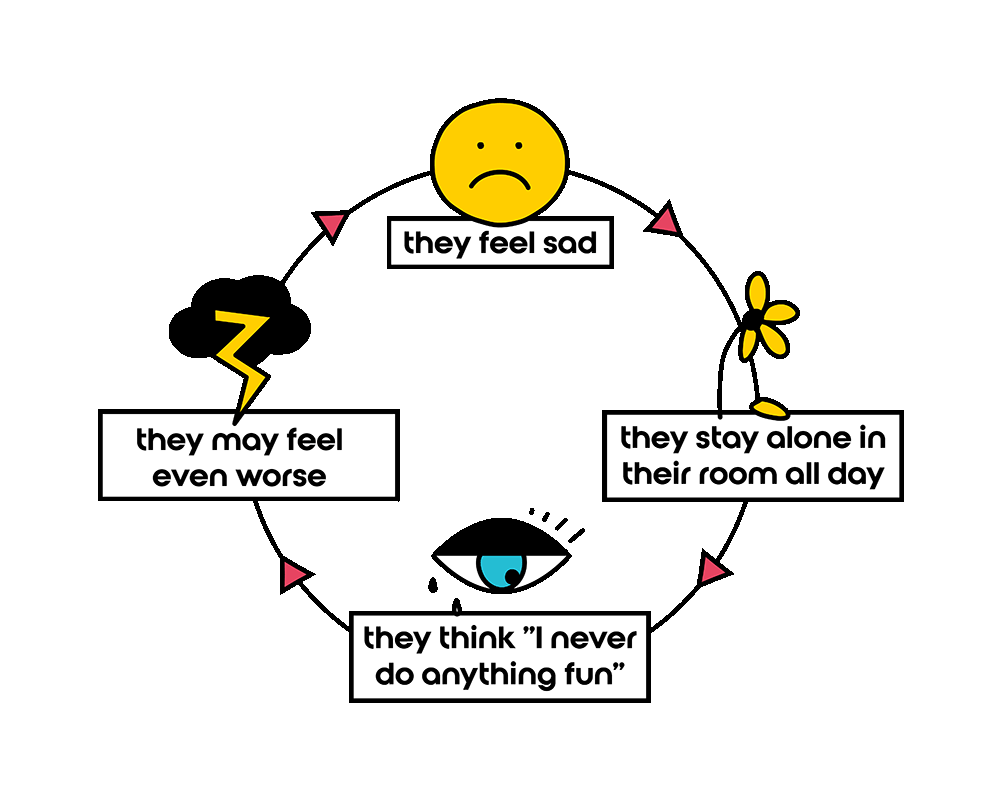
And it's based on the idea that when we feel depressed, we tend to withdraw from activities in our life like socializing, responding to messages, exercising.
Jeremy StevensonGUEST
And then because we're withdrawing and getting less reward from our environment, we feel worse and then we have even less motivation to do activities.
Jeremy StevensonGUEST
They just might require energy.
Jeremy StevensonGUEST
If I'm severely depressed, I've got to get out of my bed and walk around the block.
Jeremy StevensonGUEST
But the principle after scratching our head for a while, the principle we uncovered here of why does behavioral activation work is it gets you doing more activities that make you feel glad after you do them.
Jeremy StevensonGUEST
And when you look at the kinds of activities we do when we're depressed, a lot of them are just short-term benefit, short-term gratification.