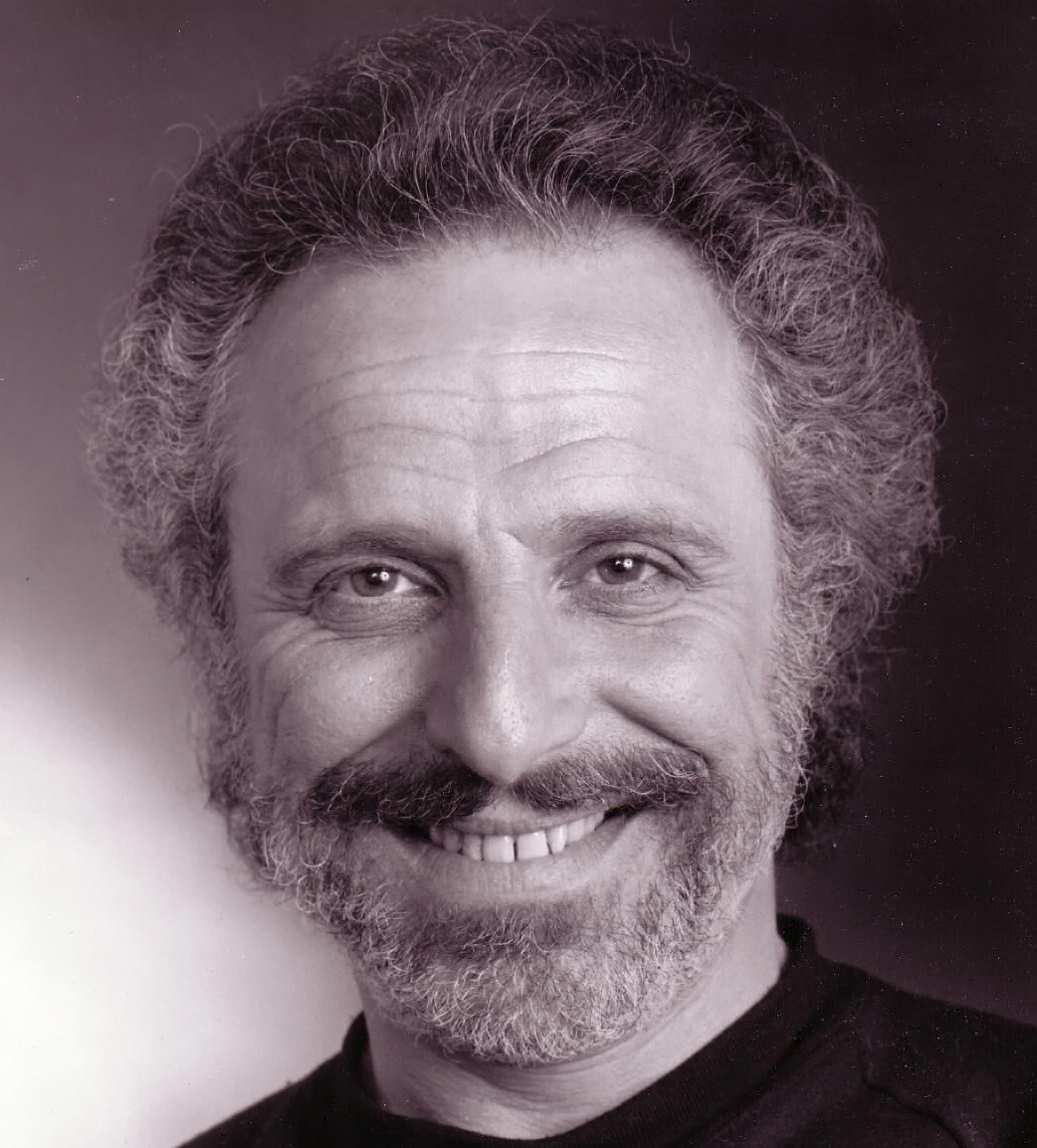
Barry Mann
American songwriter and musicianWikipedia
26
MENTIONS
22
EPISODES
19
PODCASTS
Search complete. 26 mentions across 22 episodes found for "Barry Mann".
Sep 15, 2026

Dave HolmesHOST
"There's nothing I can do to keep from crying 'cause that red-haired vixen gonna take her man." All right, number four.
Dave HolmesHOST
Uh, Tim Curry sang A Professional Pirate in Muppets Treasure Island, written by Cynthia Weil and Barry Mann.
Caleb ZeringueGUEST
[laughs]
Dave HolmesHOST
Uh, the line is, "Now take Sir Francis Drake, the Spanish all despise him." I'll give you the choices.

William Tatlock GreenHOST
But anyway, you get to, yeah, you get to see that old mantra and it's kind of cool.
Mac BrydonHOST
Yeah, I do thoroughly enjoy the ode to On Broadway by Barry Mann and Cynthia Weil in collaboration with Jerry Lieber and Mike Stoller at the end of Lamb.
Mac BrydonHOST
On Broadway On Broadway On Broadway
speaker_3SOUNDBITE_SPEAKER
On Broadway

speaker_0HOST
It hit number five on the Billboard Hot 100 singles chart, spent seven weeks at number one on the Billboard R&B charts, hit number two in the U.K., In 1989, Linda Ronstand and Aaron Neville released Don't Know Much.
speaker_0HOST
This transformed a previously recorded Barry Mann song into a love song.
speaker_0HOST
And hit number two in America on the Billboard Albums Chart, hit number two on the UK Singles Chart, hit number one on the Billboard Adult Contemporary Chart, and also hit number one in Ireland.
speaker_0HOST
And it won the Grammy Award for Best Pop Performance by a Duo or Group with Vocals.

David FisherSOUNDBITE_SPEAKER
Again,
Sam KohanHOST
written by the Jewish husband and wife Brill Building, songwriting duo of Barry Mann and Cynthia Weil.
Sam KohanHOST
He brought in another Brooklyn Jewish native, Gary Klein, to produce the song and her album.
Sam KohanHOST
It made the top 20 pop album charts, spawning the first top 10 pop hit for Dolly Parton.

Housley CarrNARRATOR
But the discussion itself indicates that producers and midstreamers alike continue to pursue opportunities outside the shale plays that have dominated the scene the past few years.
Housley CarrNARRATOR
Here You Come Again was written by Barry Mann and Cynthia Weil and appears as the first song on side one of Dolly Parton's 19th studio album of the same name.
Housley CarrNARRATOR
Parton, who wrote most of her own songs, was looking for a song to broaden her appeal to the pop market.
Housley CarrNARRATOR
Producer Gary Klein brought her the song, and she insisted on adding steel guitar on the recording for it to appeal to her loyal country audience.

Ron PicklemanNARRATOR
Other country singers had enjoyed crossover success, including Patsy Cline and Glen Campbell, but Parton consciously set out to transform herself into a pop star.
Ron PicklemanNARRATOR
She hired an L.A.-based manager and recorded a single written by Barry Mann and Cynthia Weil.
Ron PicklemanNARRATOR
The husband-wife duo behind Radio Gold like The Righteous Brothers, You've Lost That Love and Feeling, released in 1977, Here You Come Again, became Parton's first million seller.
Ron PicklemanNARRATOR
She later did even better with Pop Hits, 9 to 5, and Islands in the Stream with Kenny Rogers, both of which topped the top 100.

Ron PicklemanNARRATOR
Other country singers had enjoyed crossover success, including Patsy Cline and Glen Campbell, but Parton consciously set out to transform herself into a pop star.
Ron PicklemanNARRATOR
She hired an L.A.-based manager and recorded a single written by Barry Mann and Cynthia Weil.
Ron PicklemanNARRATOR
The husband-wife duo behind Radio Gold like The Righteous Brothers, You've Lost That Love and Feeling, released in 1977, Here You Come Again, became Parton's first million seller.
Ron PicklemanNARRATOR
She later did even better with Pop Hits, 9 to 5, and Islands in the Stream with Kenny Rogers, both of which topped the top 100.

Jenny HuttHOST
My dad knew it was going to be a crossover hit.
Jenny HuttHOST
It was actually written by Cynthia while, and yeah, Oh, my God, I'm Barry Mann.
Jenny HuttHOST
And they were friends with my dad, and I'm friends with their daughter, which is so crazy, like the small world of all of it and the history of all of it.
Jenny HuttHOST
But that song took her from country pop, you know, country star into being a crossover pop star.

Graham OlsonHOST
Originally, this tune was actually supposed to be a comeback hit for Brenda Lee, another country fried singer who had become successful with popular music.
Graham OlsonHOST
Yes, Barry Mann and Cynthia Weill wrote this song.
Graham OlsonHOST
It was a rare example of a Dolly Parton hit that was not penned by Dolly Parton.
Graham OlsonHOST
It was the title track of an album she did in 77, where there are three Dolly Partons on the cover, all looking very happy in a red button shirt and jeans.
Ron BickelmanNARRATOR
Other country singers had enjoyed crossover success, including Patsy Cline and Glen Campbell, but Parton consciously set out to transform herself into a pop star.
Ron BickelmanNARRATOR
She hired an L.A.-based manager and recorded a single written by Barry Mann and Cynthia Weil.
Ron BickelmanNARRATOR
The husband-wife duo behind Radio Gold like The Righteous Brothers, You've Lost That Lovin' Feelin', released in 1977, Here You Come Again, became Parton's first million seller.
Ron BickelmanNARRATOR
She later did even better with pop hits 9 to 5 in Island's Industry and with Kenny Rogers, both of which topped the top 100.
12 more episodes mention Barry Mann.
Create an account to see the whole feed, search across every transcript, and follow the entities you care about.