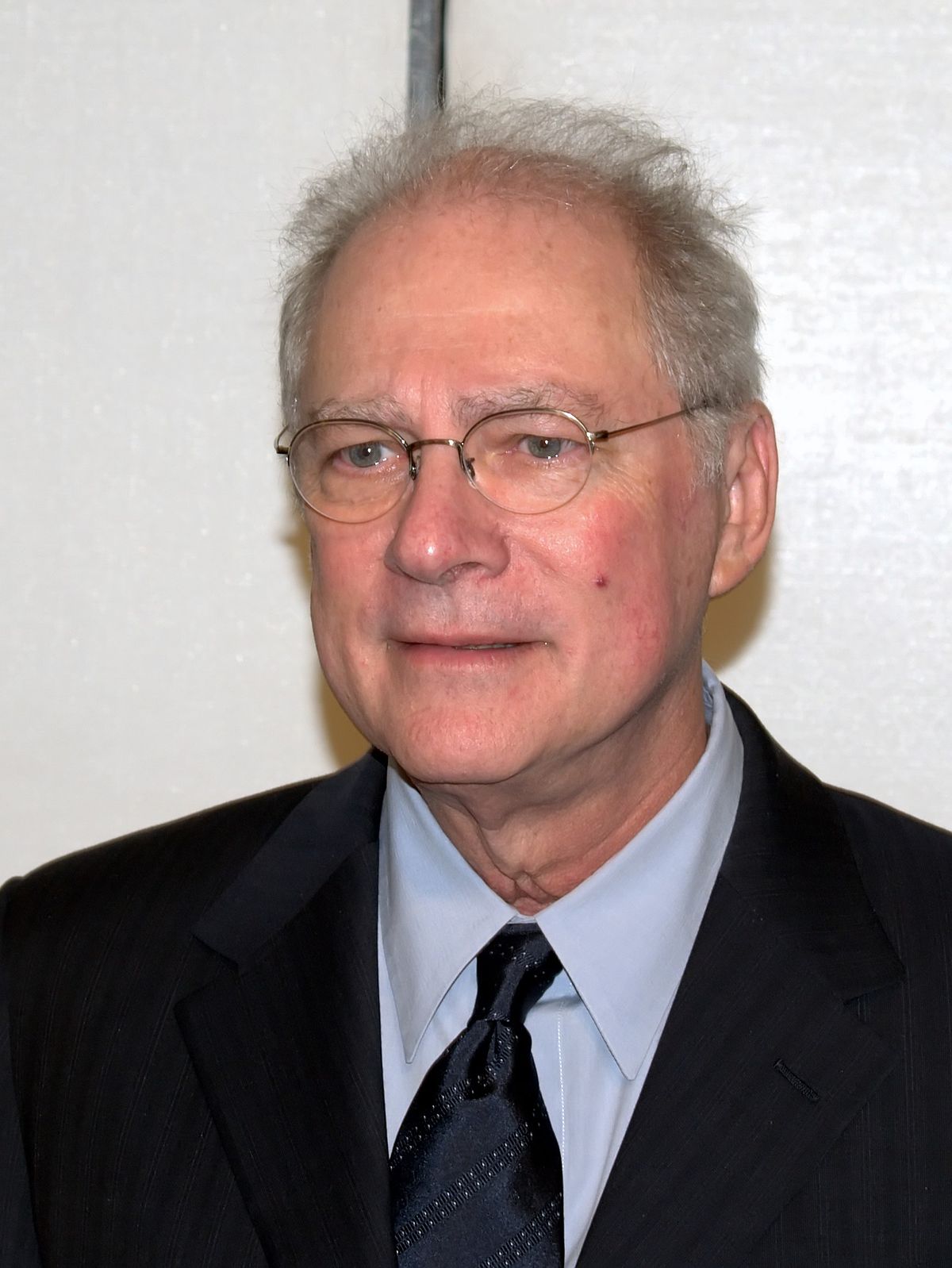
Barry Levinson
American filmmaker
8
APPEARANCES
8
PODCASTS
Sep 24, 2026


Jake TapperHOST
What was your goal when you began this project, and do you think that what you ended up with ultimately achieves what you set out to do?

Barry LevinsonGUEST
You know, what do you think about this? Why this or whatever? We just wanted to film a community that is in conflict with itself.
Barry LevinsonGUEST
And so we just wanted to let people speak, hear what they have to say, follow some of the events.
Barry LevinsonGUEST
Robin was on, Robert was on the ground in that community for, I don't know, was it four years now? You know, to basically just cover how these people reacted with one another and why it is so difficult to agree and find some answers and have some common ground.
Jake TapperHOST
Or do you think that Bucks County is uniquely split because it is such a 50-50 county? Donald Trump won it by like hundreds of votes, not by any sort of landslide.


Barry LevinsonGUEST
Well, I mean, um, Robert was there on the ground all the time for [clears throat] that long period of time [clears throat] uh, filming it.
Barry LevinsonGUEST
We're allowing them to speak and interact with one another, and we can see the dilemma that's going on, the conflict between, um, the, you might say the r- you know, the right and the left, and how they cannot come to an agreement without it becoming so explosive and so divisive.
Barry LevinsonGUEST
And then I, I think that's what we wanted to do, as opposed to, uh, "Let me ask you this," and, "Why is this?" And all of those questions would come up in a, in a normal documentary.
Barry LevinsonGUEST
But this is just showing a town at a, at a crisis, and we watch what takes place.
6 MINS LATER


Barry LevinsonGUEST
And one day when we were in our teens and we were talking and all of a sudden I realized that Eddie was in favor of the Republican candidate, Nixon, and I was in favor of Kennedy.
5 MINS LATER

Barry LevinsonGUEST
And once that happens and you're not actually trying to work out the issues, what is causing this friction? And really get inside of it and not keep pointing fingers at one another.
Barry LevinsonGUEST
I think you end up with a chaotic period, which is... where we are in many ways today.
15 MINS LATER

Cherry GreggHOST
And Barry, just your thoughts on how social media has impacted this ramping up of rhetoric and refusal to listen and this dehumanization of people just because they sort of disagree with your political view, your take on how social media has changed the dynamic.


Tanner AgarHOST
I think the number one question everybody's going to ask, right, is how does someone decide to start a mustard museum? Where does the idea come from? What gives you the inspiration to make this happen?
Barry LevinsonGUEST
in 1986 when they lost the World Series to the Mets, I was very depressed because I'm originally from Massachusetts.
Barry LevinsonGUEST
So I went to an all night supermarket and roamed up and down the aisles, tears running down my cheeks.


Barry LevinsonGUEST
So we, instead of moving out two years later, which is what it was, and I said to my wife, we can't move.
8 MINS LATER


Barry LevinsonGUEST
it, and, uh, i- in, in this, in this way, I'll, I'll just tell you one q- quick thing.
Barry LevinsonGUEST
And because we had made a bunch of, you know, changes along the way, and we're now we're getting to this particular scene, and I, um, we're about a half hour away from shooting, and I, I realize we've covered a lot of these elements in earlier part of the movie, and then the scene is gonna be rather redundant.
Barry LevinsonGUEST
And, uh, you know, he goes, "Yeah, yeah, yeah, yeah, yeah." I said, "So I think we gotta find, uh, we have to find something else here to put in here.


Barry LevinsonGUEST
Where we have a scene where he's teaching the class of, you know, the Vietnamese, and it's, it's, it's just not working.