Atmosphere
10
MENTIONS
3
EPISODES
3
PODCASTS
Search complete. 10 mentions across 3 episodes found for "Atmosphere".
Nov 18, 2026

RicoVOICE_ACTOR
Warning: Temperature rising rapidly.
RicoVOICE_ACTOR
Atmospheric temperature over one thousand three hundred degrees Celsius.
ChasePANELIST
Rico, was ist los?
RicoVOICE_ACTOR
System overheating.
RicoVOICE_ACTOR
Depth reading: two hundred kilometers below Jupiter's clouds.
RicoVOICE_ACTOR
You are now in the outer interior.
RicoVOICE_ACTOR
Atmospheric contents include hydrogen and helium.
ChasePANELIST
Oh, ich chille mit ein paar Standarddingen, also Wasserstoff, Helium, ein cooler Typ.

Bobby FrankenbergerHOST
It was one of these types of studies that are often done in astronomy where they create a simulated situation and sort of figure out.
Bobby FrankenbergerHOST
As we get more data about how Atmospheres work, how chemistry works, how planets work, how stars work, you know, as we get lots of more information, we can plug that new information into these these simulations to give us better understandings of how things might work.
Bobby FrankenbergerHOST
What they did is they simulated Earth like planets.
Bobby FrankenbergerHOST
that were orbiting m dwarfs of different ages from 650 million years old to 5 billion years old

speaker_16NARRATOR
The pilot must be cognizant of the basis for the performance data as well as the meanings of the various terms used in expressing performance capabilities and limitations.
speaker_16NARRATOR
Since the characteristics of the atmosphere have a major effect on performance, it is necessary to review the two dominant factors, pressure and temperature.
speaker_16NARRATOR
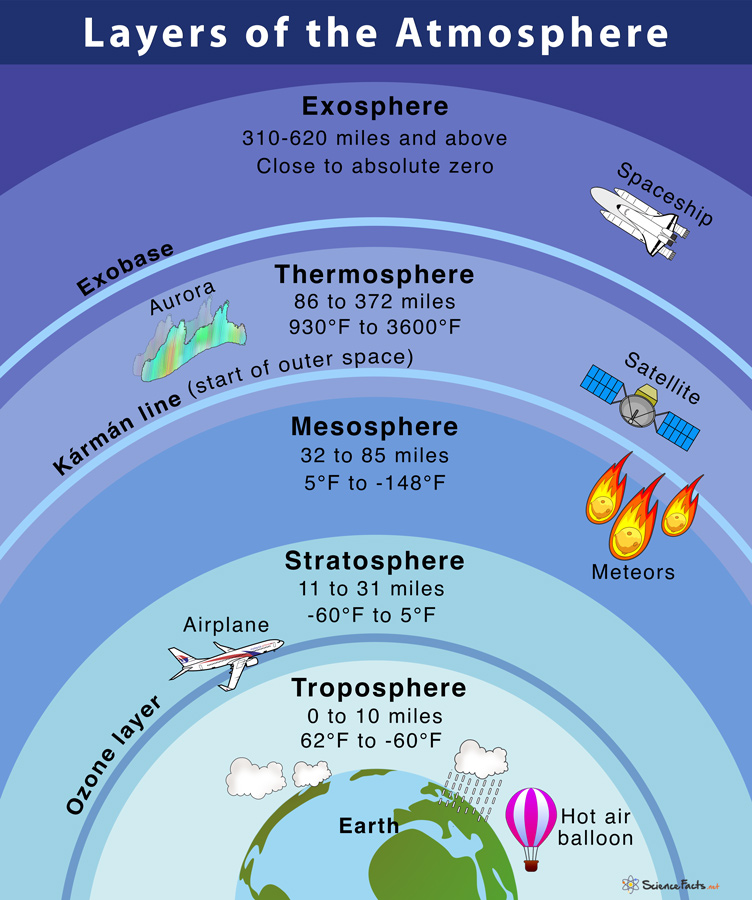
Structure of the Atmosphere The atmosphere is an envelope of air that surrounds the Earth and rests upon its surface.
speaker_16NARRATOR
It is as much a part of the Earth as its land and water.
speaker_16NARRATOR
However, air differs from land and water inasmuch as it is a mixture of gases.
speaker_16NARRATOR
A standard pressure lapse rate is one in which pressure decreases at a rate of approximately 1 inch mercury per 1,000 feet of altitude gain to 10,000 feet.
speaker_16NARRATOR
Refer to figure 10-2.
speaker_16NARRATOR
The International Civil Aviation Organization, ICAO, has established this as a worldwide standard, and it is often referred to as International Standard Atmosphere, ISA, or ICAO Standard Atmosphere.