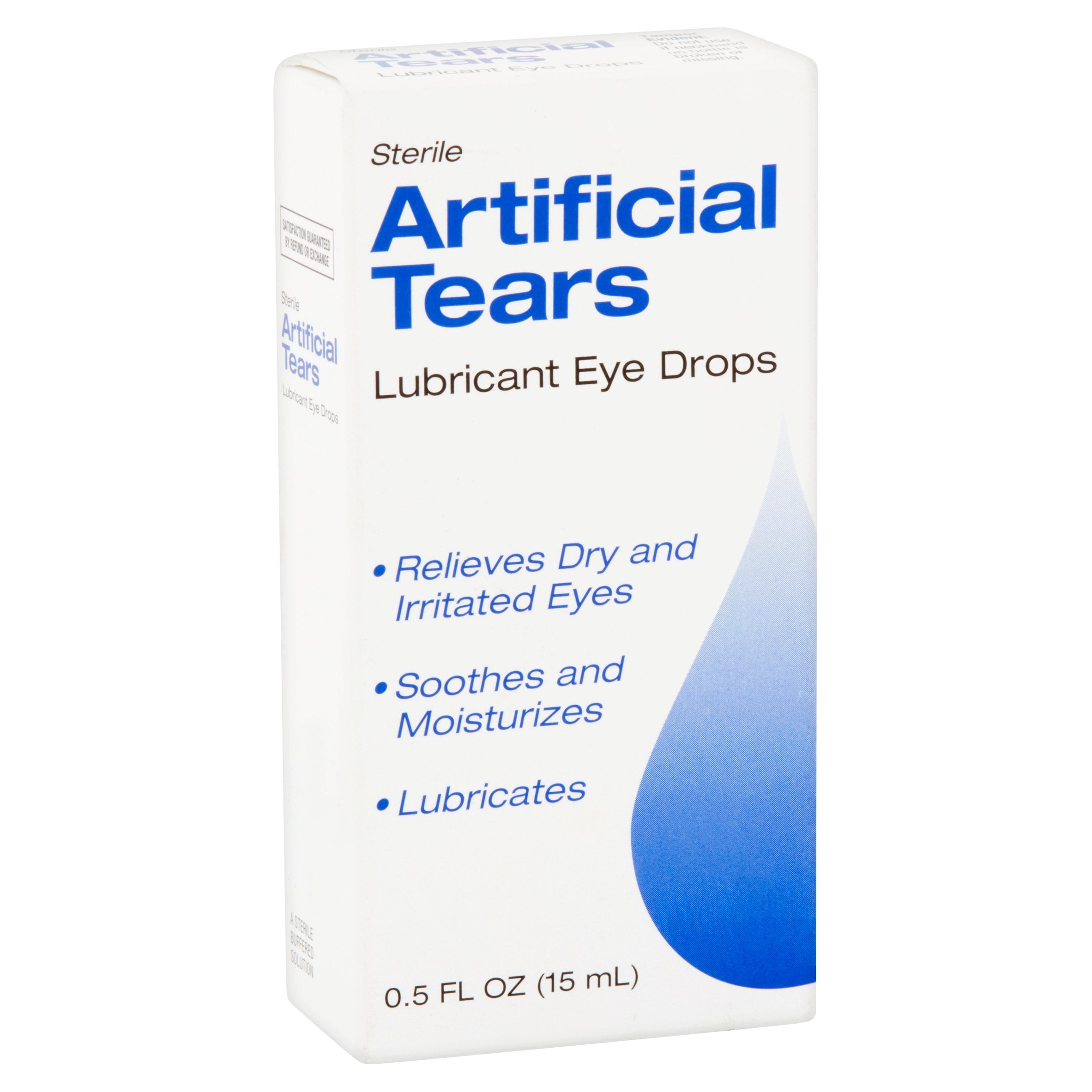
Artificial tears

Artificial tears

Search complete. 55 mentions across 2 episodes found for "Artificial tears".

Sep 1, 2026

speaker_2ADVERTISER
1:21
thank you, Thea Pharma Canada, for supporting Blindspot.
Zale MednickHOST
1:25
When a patient comes in with dry eye, I imagine most of us, ophthalmologists and optometrists, open the cabinet next door to us and pick out whichever artificial tear sample happens to be there.
Zale MednickHOST
1:36
But do we really understand the intricate differences between the many options of artificial tears that are now available? Dry eye has become so complex, and as the complexity has increased, so have the formulations and ingredients in the artificial tears we are giving to patients.
Zale MednickHOST
1:53
I'm joined today by a guest who's going to help us better understand what's in the artificial tears we're giving to patients, and more broadly, to help us better understand the landscape of dry eye and how we can better treat our patients.
Zale MednickHOST
2:06
Jacob Rouleau is a fellowship-trained neuro-ophthalmologist and translational scientist.
Zale MednickHOST
2:10
He completed his MD-PhD at the University of Toronto in 2015.
Jacob RulloGUEST
5:10
But I think there's a lot more coming down the pipeline, both on the drug side and on the application devices side, uh, especially as ophthalmologists, we're very foreign to these, but these devices are actually going to probably transform how we treat in-office dry eye disease.
Zale MednickHOST
5:28
Well, that's a really, really good summary of the work you've been doing exploring.

Unknown podcast

Dry Eye Disease: August 2026 Phase II/III Results for Novel Mechanisms

Aug 22 · 9 Mentions

speaker_0NARRATOR
0:00
Dry Eye Disease August 2026 Phase 2-3 Results for Novel Mechanisms Evidence Cut-Off August 22, 2026 Dry eye disease treatment is moving beyond replace the tears with artificial tears.
speaker_0NARRATOR
0:15
Newer therapies are attempting to stimulate the eye's own tear flex, restore the mucin layer, slow tear evaporation, improve meibomian gland function, or target inflammation in genetically selected patients.
speaker_0NARRATOR
0:27
A date clarification is important.
speaker_0NARRATOR
0:29
There was not one single August 2026 wave of completed Phase 2 or Phase 3 dry eye readouts covering all of these mechanisms.
speaker_0NARRATOR
0:38
The most important recent human data available by August 22, 2026 include the May 2026 publication of phase III results for Ocultramon, now marketed in the United States as Triptyr, a 2026 randomized study of the mucin secretagogues Dequafasol and Ribamipid, showing effects within 30 minutes, a July 2026 randomized study of lipid-containing artificial tears in people with a thin tear film lipid layer, Continuing Phase 2-3 programs for AZR-MD001, Licumin-Limab, PL9643, and platelet lysate biologics, for which definitive August 2026 efficacy results were not publicly posted.
speaker_0NARRATOR
1:20
An August 8, 2026 publication involving troxapide nanoparticles applied through the eyelid was preclinical animal research, not a human Phase 2 or Phase 3 trial.
speaker_0NARRATOR
1:31
It should not be interpreted as proof of clinical benefit in patients.

11 MINS LATER

speaker_0NARRATOR
12:05
Unlike Triptyr, Mebo does not primarily stimulate aqueous tear production.

We value your privacy

We use cookies to understand how you use our platform and to improve your experience. Click “Accept All” to consent, or “Decline non-essential” to opt out of non-essential cookies. Read our Privacy Policy.