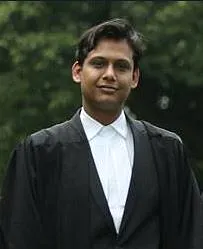
Apar Gupta
Lawyer
3
APPEARANCES
3
PODCASTS
Aug 19, 2026


Soni MishraHOST
So what information do you have about what database was this? And if information was being gathered and collected by the police, in what ways can that information be used in the future?

Apar GuptaGUEST
My organization has filed right to information requests with the Delhi police asking for various requirements of uh what is the type of cameras how many cameras then where was the feed taken where was it stored how was it processed how is it matched what is the database in the matching what is the error correcting correction percentage because the little bits of information which we do know about the delhi police having its own ccdb networks and then using ai for matching that comes from a delhi high court case which is called shadan haldar in which the Delhi police said that because there is a problem of young children running away from their homes and families searching for them, they are going to deploy facial recognition technology.
Apar GuptaGUEST
So it's not just a CCTV, it's also something which matches the face of a child and tries to reunite them with a family.
Apar GuptaGUEST
Now, most people will say, wow, this is such a great idea to use technology, tech for good, those kind of things.
Apar GuptaGUEST
However, what was found during the course of the case was that the Delhi Police was not able to reunite even one missing child on the basis of this technology.
Apar GuptaGUEST
Instead, what we got to know in 2022 through the annual report of the Delhi Police, it wanted to then deploy the same technology which it had used, which in policy we call as a function creep at railway stations, at any kind of civic junctions which are there.
13 MINS LATER
Soni MishraHOST
So how do you see the political establishment, the way they have responded to this?


Vinamre KasanaaHOST
Unnecessarily। लेकिन यार उसके चक्कर में मैं अपने rights को दे दूँ। तुम करो national security ठीक है। मैं मेरे को क्यों? मेरे को क्यों? What I am trying to ask is perhaps I don't have the right facts or figures। Why is the Indian citizen constantly being उसके ऊपर इतनी चीज़ें क्यों लादी जा रही हैं कि एक काम कर। अब तेरा Aadhaar card आ गया हमारे पास। अब मैं यार मैं तो Digi Yatra भी use करता हूँ। मैं क्या करूँ? मुझे मेरे को जाना है। मेरा face scan ले ले। अब मेरा अंगूठा भी ले ले। ठीक है। अब मेरी जो मेरी family है उसकी भी वो कर ले। सब सब तरह का data ले ले मेरे ऊपर। और उसके बाद then you expect me कि यार आप क्या कहते हैं India के अंदर आप अगर आवाज़ उठाते हो तो फिर आप anti-national हो या फिर आप enemy of the state हो या फिर आप national security के हित में नहीं हो। So what I am trying to get at is a lot of the propaganda and a lot of the steps by the government around censorship, privacy, digital freedom। जैसे सिंदूर के time पर कुछ लोगों को बंद कर देना। ये सब है ना कि मतलब आप इस बारे में नहीं लिख सकते। Whatever whatever whatever is done under the guise of national security। तो अब मुझे समझ में नहीं आता कि यार then where is the power of saying something against the government if everything is done under national security? मतलब मैं मैं as an Indian कुछ express कर सकता हूँ internet में। मैं कुछ अपने WhatsApp में बोल सकता हूँ I don't like this about the government without being I don't know hounded or at least have a data log of me।
Apar GuptaGUEST
देखिए हमें सबसे पहले जो आप बोल रहे हैं बिल्कुल सही बात है because मुझे भी कभी कभी लगता है कि जो लोग सरकार का समर्थन करते हैं वो ये नहीं समझ सकते कभी कभी कि राष्ट्रहित और सरकार का हित दो अलग चीज़ें हो सकती हैं। तो हमें आलोचना करने का हमेशा एक अधिकार रखना चाहिए और कोई अगर हमारे विचारों से समर्थन नहीं रखे उसका मतलब यह नहीं होता कि वो एक भारतीय नहीं है। मैं तो बहुत बार ये बोलता हूँ। मैं अपने दोस्तों को भी बताता हूँ जो left liberals spectrum से आते हैं कि there is a very large population of people who believe in a certain political ideology and the only way to co-exist in a beautiful society like India is that we have that spectrum। According to me it's a beautiful thing because that is what societies progress on the basis of this diversity। And diversity is not only diversity of language identity it's also the political spectrum which exists। It's a beautiful thing according to me। Now the second thing I'd like to say here is that when we think about surveillance and national security। मेरे को लगता है इसकी ज़रूरत है। मैं नहीं कहता कि surveillance की ज़रूरत नहीं है national security के लिए। पर surveillance किस तरीके से करी जा रही है और किनके ऊपर करी जा रही है वो उससे मैं बिल्कुल सहमत नहीं हूँ। देखिए जब 26/11 के के attacks हुए Mumbai में। उसमें हमने एक phrase बार बार सुनी। कुछ शब्द हमने बार बार सुने। Major intelligence failure। Major intelligence failure। मैं तो तब New York में था। मैंने देखा था ये। तो मेरा भी दिल बिल्कुल सहम गया था। बहुत गुस्सा आया था अंदर से। और ये बताऊं ये reaction जो था ये इसके लिए भी था क्योंकि वो जो attack हो रहा था दिन पे दिन हो रहा था। वो live TV पे दिखाया जा रहा था। कहां हो रहा था? The most iconic buildings which represent that city। The gateway of India। The Taj। और specially जो upper class है हमारी society की जो कभी ना कभी उधर चल चुकी है South Bombay में या जा चुकी है। उनको एकदम से खतरा खुद लगा। दिल खुद में चोट लगी। और किन किन लोगों को मारा। इस सब के वजह से there was a massive uproar और सरकार पे दबाव बनाया गया कि वो कुछ करें। सरकार ने इसके लिए बहुत सारी चीज़ें करी। There was a realignment of India's intelligence apparatus। But it also established NatGrid। NatGrid is a was visualized as a government intelligence program जिसमें government के पास जो अलग अलग fields of data है और private service providers के पास है वो एक data fusion होएगी उसकी। जैसे bank account की details है आपकी transaction details है। Phone account की details है transaction details है। Travel की details है और आपकी फिर उसके अंदर flights आपने कौन कौन सी ली। ठीक है। तो जब इसका एक main conspirator David Coleman Headley या David Headley Cole जो था, जो Bombay बहुत बार ही आया, reconnaissance करी, Google Map use किया। वो maps उसने handlers को दिए पाकिस्तान में और फिर हम पे हमला हुआ यह। तो यह thinking थी कि यह सारी जब चीजें इकट्ठी हो जाएंगी, data fusion हो जाएगी। I think about 11 databases, 12 databases। उससे जो intelligence निकल के आएगी, उस पे action हो पाएगी। पर एक committee भी बनी थी 26/11 के बाद। उसमें यह पाया गया कि Mumbai Police के पास helmet नहीं थे, vest नहीं थी और उनकी last firing training जो हुई थी, ज्यादातर लोगों की, वो करीबन एक-डेढ़ साल, दो साल पहले हुई थी। तो अगर आपके पास intelligence भी होएगी तो आप क्या कर पाएंगे जब आपके पास equipment और training और आदमी नहीं है?
1 HR 15 MINS LATER
Vinamre KasanaaHOST
Platforms ko main kya kya de chuka hoon? What do you-- How do you envision this, uh, this curve happening? What are we-- Are we gonna fight back and gain some back-- gain some of our privacy back?
Apar GuptaGUEST
I think, um, jaise humne bahut-- dekhiye sabse pehle uh, jyadatar jo focus hona chahiye internet freedom ya digital rights ka, un, uh, vargon pe hona chahiye jinki life mein digitization aur technology aisi thoos ke ghusai jaa rahi hai jiske vajah se unki zindagi mein bahut jyada badhaayin aa rahi hai.
Apar GuptaGUEST
Agar aap dekhen agar, um, baarvi standard ka exam jo hai woh ek on-screen marking portal ke through aapko paper diye jayenge.
Apar GuptaGUEST
Toh paper jo bachon ko diye jayenge usme kitne paise charge ho rahe hai? Kya uska matlab ye hai ki agar har paper ke liye 100 se 200 rupaye dene hai, jo bachche, uh, un, uh, those sections of society which are economically weaker sections of society, will they be able to get those, uh, uh, copy of the answer scripts? If they're not able to get the copy of these answer scripts, can they apply for rechecking? Because the rechecking does result in marks being improved.
Apar GuptaGUEST
So it's a system which is being built, which is technological and financial, which I am focusing on, right? So when I look at the future of internet freedom, the first I look at it from a power access of society because aaj ki date pe internet freedom ka ye matlab nahi ki jiske paas smartphone hai aur jiske paas 4G data hai, usi ki zindagi isse prabhavit hoti hai.


Apar GuptaGUEST
It's a way of life, of how we communicate with friends, family, conduct ourselves.
Apar GuptaGUEST
So it's like a centralized application, which is indispensable for most smartphone users, if not all smartphone users in India.
Apar GuptaGUEST
So what ends up happening is that you sign up for WhatsApp through your mobile number, and quite often, if you're wanting somebody to add you as a WhatsApp contact, you have to share your mobile number.
Apar GuptaGUEST
And according to WhatsApp, this presents a risk because your phone number, your mobile number, is also then available with every other service provider, like your bank, right? You get your OTPs on your mobile number.
Apar GuptaGUEST
So instead of that sharing of your mobile number for somebody to add you onto WhatsApp, WhatsApp is saying you can now reserve a alphanumeric or just your name as a handle or a username, and then you can just share it.
8 MINS LATER
10:50
Where do you think is the problem? Where is India and also the rest of the world, where, where are we lagging behind in the regulation of digital identity again and again?