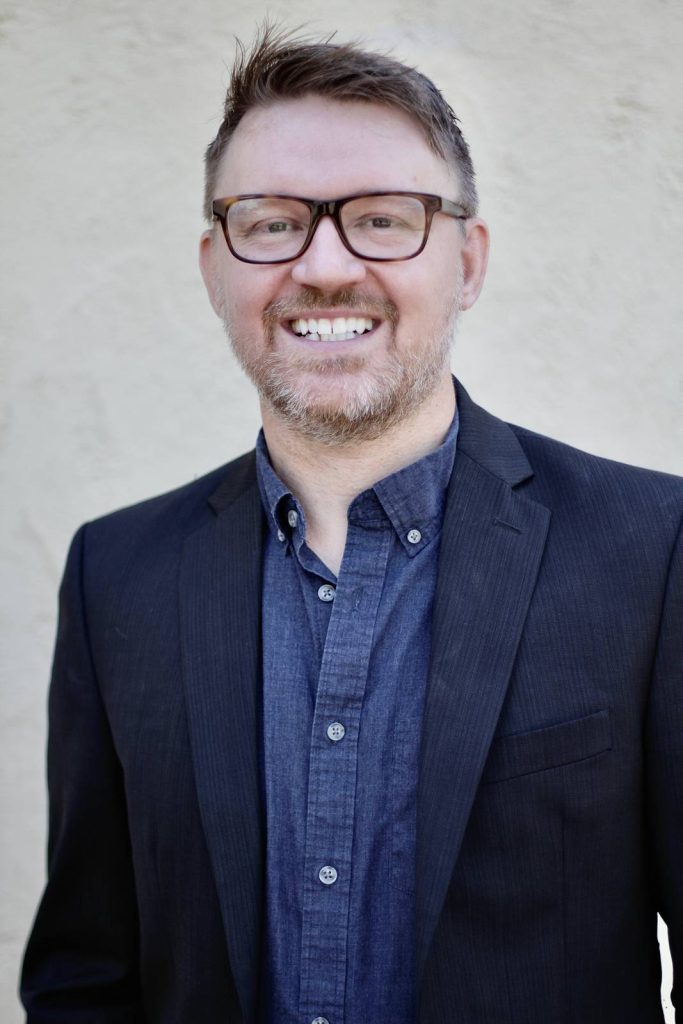
Andrew Root
Author
7
MENTIONS
4
EPISODES
4
PODCASTS
Search complete. 7 mentions across 4 episodes found for "Andrew Root".
Sep 7, 2026

Joey MillingtonHOST
I don't know what we're going to talk about after I just share what I have to say, but let's go for it.
Joey MillingtonHOST
So Andrew Root uses this thesis from Hartmut Rosa called Dynamic Stabilization, which is basically this idea that all societies need some form of stabilization.
Joey MillingtonHOST
And what that means is that how do you know that your society or you are doing well? It's like, oh, if you're stable, so what's the indicator? And for ancient societies, Civilizations, it was usually centered around some type of pagan worship or sacrificial system.
Joey MillingtonHOST
If they sacrificed

MikeHOST
I don't use it very much at all.
MikeHOST
but since Google started having, I believe it's Gemini, started just having it readily available, I have used it for a few things, and one thing I did was I input, you know, I told it about these two works, these two books, and asked them if there were any correlations, and AI said there were tons of correlations, so I was correct on that, that there were lots of correlations, correlations and they use different metaphors and they talk about it from a different standpoint I think Richard Rohr talks about it a little bit more from the position of the individual and then Root it's Andrew Root is the author of the other book which is Bale and the Gods of Moor he talks about it more from a sociological standpoint or ecclesiological.
MikeHOST
I think they both kind of hit on ecclesiology.
MikeHOST
Yeah, so you get at the same problem from two different perspectives, from men who have different jobs and therefore different perspectives.
27 MINS LATER
MikeHOST
He would take care of them.
MikeHOST
That they could rest.
MikeHOST
And that's a big thing that Andrew Root talks about in his book.
MikeHOST
He says what Yahweh offers is not things, but Yahweh offers things.

Derek TronsgaardHOST
So the last episode, Andy, you sent me a link from Jim Loader's Logic of the Spirit, and we talked about that a little bit.
Derek TronsgaardHOST
And then not 20 minutes after we recorded that, you sent me another text, and I actually loved this one just as much as the last one, maybe even more.
Derek TronsgaardHOST
I think you were a
30 MINS LATER
Andrew RootGUEST
He didn't know where this is going.
Andrew RootGUEST
He thinks the pastor always rests in an office and that office may be able to keep our souls both tender and able to deal with the pain that we get in the midst of the tenderness of the vocational call.
Derek TronsgaardHOST
Ministry in a Secular Age featuring Dr. Andy Root is produced by me, Derek Tronsgaard, with a special thanks to Luther Seminary and Baker Academic.
Derek TronsgaardHOST
If you like today's podcast, be sure to check out Andy's brand new book, Bale in the Gods of More, available on Amazon or wherever else you find your books.
Derek TronsgaardHOST
During this season, new episodes of the podcast will come out every other week between now and November, and we hope you'll join us and tell a friend or two about the show.

Matthew EricksonGUEST
And then I spend some time exploring specifically four aspects of how that happens.
Matthew EricksonGUEST
I talk about, um, the context in which we do the gardening or pastoral work, really in terms of North American philosophical context, interact a little bit with, uh, Charles Taylor in that, and then Andrew Root has done some great work related to the pastor in the secular age.
Matthew EricksonGUEST
And so bringing some thoughts around that, and even if nobody in, really wants to say, you know, we like Charles Taylor or not, the, the themes of what I'm trying to do there are saying, hey, we have to kind of exegete the context, just like a gardener knows the context and the growing zone in which they're doing the work.
Matthew EricksonGUEST
Then I spend time talking about the soil, the soil as the c- as the church, to Zach's point before, the soil as the ecclesial context if we're in a denomination, the soil as the ecclesial context in terms of what's happening in the church in North America, which we have to pay attention to as the church is in decline, what does that mean for us? Uh, so church, um, as soil.