Analysis of variance
9
MENTIONS
6
EPISODES
6
PODCASTS
Search complete. 9 mentions across 6 episodes found for "Analysis of variance".
Oct 27, 2026

Ben EverettHOST
I think you mentioned atypicals and this study going on with atypicals and I can't remember if you said psilocybin or LSD, but yeah, the atypicals are also pretty promiscuous, not just at serotonin, but at different dopamine receptors, histamine receptors, alpha receptors.
Ben EverettHOST
And so sometimes it can be difficult to tease out in a very clear scientific way, right? You do your one-way ANOVA versus your multi-ANOVA type of analysis, variance types of arguments.
Ben EverettHOST
But yeah, at the end of the day, it's very difficult to say.
Ben EverettHOST
And also, both things can be true, like you said.

Don CherryGUEST
But there wasn't a lot of empirical evidence on something I was really interested in, which was non-owners.
Don CherryGUEST
And I was also really interested in not only non-owners of pets who have to be in that environment, but also what do the experienced pet owners who have already potentially lived this, how do they feel about it? So when we were looking at that, a lot of people ask, you know, do you like pet friendly workplaces to people who might already love the idea? So this was that idea of trying to get it from a couple of different angles, using two factorial ANOVAs to really understand how we can look at these different benefits.
Don CherryGUEST
And what we found was that, The most cautious of the group was actually owners and owners who have been in pet friendly workplaces, which to me as a dog trainer makes a lot of sense because again, I think it's bright eyed and bushy tailed potentially for someone who hasn't been part
Lori KoganHOST
of it, but it takes a lot of time to

Hollie ChessmanGUEST
So that was one of the things that I found.
Hollie ChessmanGUEST
So the ANOVA was really interesting because you could, there was a difference between those in the field four years or less than those in the field for five or 11 years.
Hollie ChessmanGUEST
But those two were not statistically different from each other, but they were statistically significantly different from the 12 plus years.
Jill CreightonHOST
You referenced ANOVA.
Jill CreightonHOST
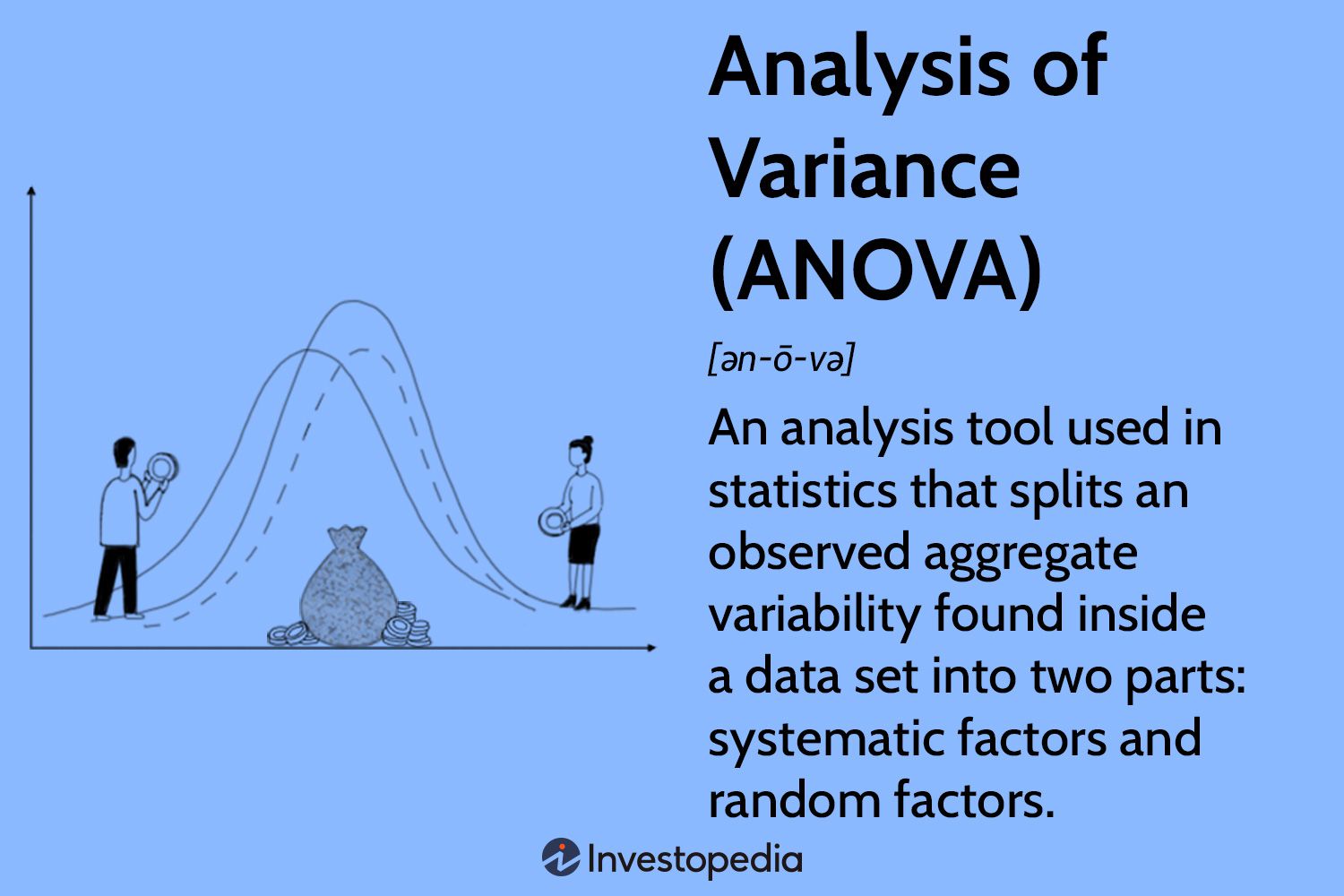
And so for our listeners who haven't done statistical analysis courses in a while, That's an acronym that stands for analysis of variance, which is how we measure two variables against each other to see if there's any information that tells us, yes, this is statistically significant in terms of difference between types of groups.
Jill CreightonHOST
So Holly's just referencing something from math class, basically.
Jill CreightonHOST
There are pros and cons to both, for sure.
Jill CreightonHOST
I can tell you that my cohort mates who did qualitatively based research dissertations were in the multi hundreds of pages for their final outputs and products.

Ted PavlicHOST
But let's say you look at your data and you start noticing that all of your weekdays at 9 a.m. have roughly the same arrival rate.
Ted PavlicHOST
What I mean by that is if you put them into a statistical test, like a t-test or an ANOVA, you can't tell a difference between the distributions by knowing the days.
Ted PavlicHOST
So then that might mean that, well, maybe I only need a weekday 9 a.m.
Ted PavlicHOST
I don't need a Monday 9 a.m.

Spring HatfieldNARRATOR
One of the experimental groups spent an additional three weeks with chronic mild stress induction.
Spring HatfieldNARRATOR
Analysis of variants, ANOVA tests, examined behavior for signs of depression, alveolar bone levels, and periodontal clinical variables.
Spring HatfieldNARRATOR
They also measured microbial counts and expression of inflammatory mediators in the plasma and brain frontal cortex.
Spring HatfieldNARRATOR
In conclusion, at the end of the study, the researchers discovered that the bacteria F. nucleatum may cause neuroinflammation and link periodontal disease to depression.

Joe TurnerGUEST
Do what we tell you and we'll solve the problem.
Joe TurnerGUEST
The guy said, we're sick of your ANOVA charts.
Joe TurnerGUEST
They don't mean anything.
Joe TurnerGUEST
So after I came up with one of my sayings, what's the best thing about banging your head against the wall?