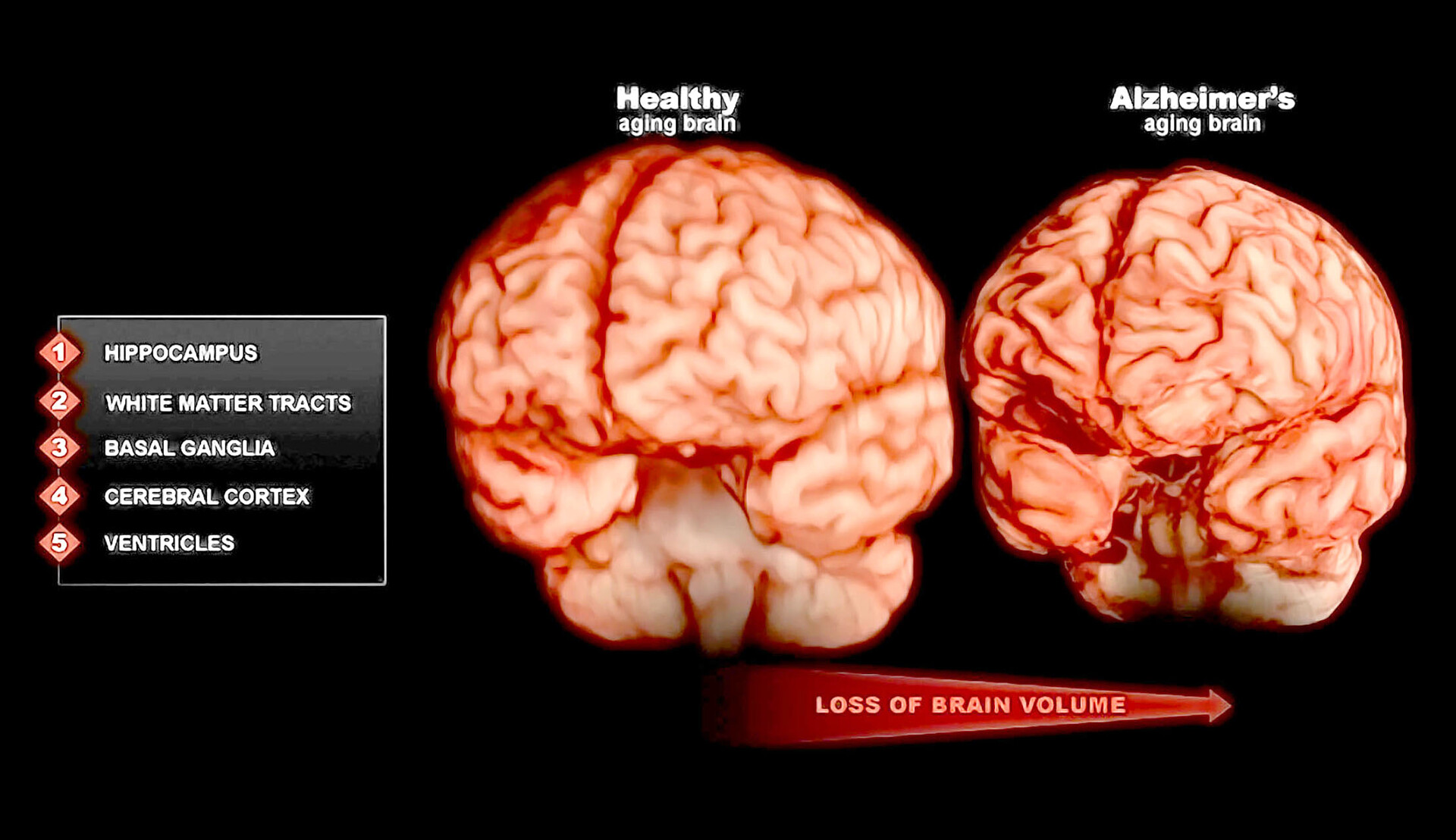
Aging brain
8
MENTIONS
4
EPISODES
4
PODCASTS
Search complete. 8 mentions across 4 episodes found for "Aging brain".
Sep 25, 2026

Priya AnandGUEST
I love that question because I feel like there is this tendency to equate brain health and longevity with sort of a fear of changing, this idea that you don't want your brain to age or change.
Priya AnandGUEST
And I don't think that brain aging is a bad thing at all.
Priya AnandGUEST
You know, our brains...
Priya AnandGUEST
the way that our brains develop is that we, you know, the way that our brains develop is in toddlerhood, we prune down the number of synapses that we have so our brains have a better ability to pay attention to what matters.

Mark GuadagnoliHOST
This is why he does such a great job explaining how to keep our brain young, including one ordinary habit that can help grow our memory.
Mark GuadagnoliHOST
He explains why an aging brain starts blurring signals, called dedifferentiation.
Mark GuadagnoliHOST
He makes the case that addiction is not a moral failure or a lack of willpower, it's biology.
Mark GuadagnoliHOST
As an example, he uses a story about a goose that will abandon its own eggs to sit on a volleyball.
Mark GuadagnoliHOST
And we're gonna talk about your math background, your love of computer science, how somehow that turned you into a neuroscientist.
Mark GuadagnoliHOST
Um, yeah, it's, uh, I think it's a really cool topic, because you're also going to talk about several things that are counterintuitive.
Mark GuadagnoliHOST
Like for example, the aging brain starts at 25 or so, and, uh, I, I don't think a lot of people really think about that.
Mark GuadagnoliHOST
But we do have some agency over it, and I think that that's really important as well.

Andrew WrenHOST
Welcome to this week's Living Terrain podcast.
Andrew WrenHOST
Today we are exploring vitamin D, DHA, and the aging brain through the lens of electromagnetic nutrition.
Andrew WrenHOST
Nutritional research often examines nutrients individually.
Andrew WrenHOST
Vitamin D, magnesium, omega-3 fatty acids, B vitamins.

Jim RathmellHOST
Hello, I'm Jim Rathmell, professor of anesthesia at Harvard Medical School and editor-in-chief of Anesthesiology.
Jim RathmellHOST
Today, we're discussing new research from the October twenty twenty-six issue on genetic contributors to postoperative delirium and what those findings may tell us about the aging brain.
Jim RathmellHOST
With us is Qun Ding, a PhD candidate in the Department of Anesthesiology at West China Hospital in Sichuan University in Chengdu, China.
Jim RathmellHOST
Dr. Ding is an author of Genetic Contributors to Postoperative Delirium and Their Implications for Dementia Outcomes.
Kewen DingGUEST
I am very grateful for the invitation.
Jim RathmellHOST
Also joining us is Dr. Lee Goodell, associate professor of anesthesiology and critical care medicine at Johns Hopkins School of Medicine.
Jim RathmellHOST
Dr. Goodell co-authored the accompanying editorial, Postoperative Delirium as a Stress State for the Aging Brain, APOE, Ascertainment, and What Anesthesiologists Should Do Next.
Jim RathmellHOST
Lee, welcome.