acute coronary syndrome
SyndromeWikipedia
81
MENTIONS
21
EPISODES
18
PODCASTS
Search complete. 81 mentions across 21 episodes found for "acute coronary syndrome".
Sep 17, 2026

Roger HendersonHOST
I'm Dr. Roger Henderson, and I'm one of the GP Notebook study group presenters.
Roger HendersonHOST
And in this episode, I'd like to discuss unstable angina, which now more accurately falls under the umbrella term acute coronary syndrome, or ACS.
Roger HendersonHOST
Now, ACS affects a large portion of the population and remains the leading cause of death worldwide.
Roger HendersonHOST
And although unstable angina is diagnosed less frequently than it once was, largely because high-sensitivity cardiac troponin assays have moved many patients into the NSTEMI category, the underlying clinical problem does remain important.
Roger HendersonHOST
Now, as we all know, chest pain is a common presentation, but distinguishing acute coronary syndrome from non-cardiac chest pain still remains one of the most consequential decisions we make in practice.
Roger HendersonHOST
The challenge here isn't simply recognizing textbook angina, but rather in identifying when a patient's symptoms represent a significant change in their coronary physiology, determining their immediate risk, and acting quickly enough to prevent avoidable myocardial injury.
Roger HendersonHOST
So, in a nutshell, unstable angina represents acute myocardial ischemia without the biochemical evidence of myocardial necrosis required to diagnose myocardial infarction, and it sits alongside NSTEMI and STEMI within the ACS spectrum.
Roger HendersonHOST
In practical terms, when a patient has a convincing clinical syndrome of myocardial ischemia and serial high-sensitivity troponins demonstrating a rise or fall consistent with acute myocardial injury, we're generally dealing with myocardial infarction rather than unstable angina.

speaker_0ADVERTISER
Register now at scientificsessions.org.
speaker_1NARRATOR
[heartbeat] The following question refers to sections four point three point two and four point four of the twenty twenty-five ACS guidelines.
speaker_1NARRATOR
The question is asked by Thomas Jefferson medical student and Cardio Nurse Academy intern, Dr.
speaker_1NARRATOR
Grace Chu, answered first by University of Miami cardiology fellow and member of the Cardio Nurse Interventional Cardiology Council, Dr. Sahil Jinkavala, and then by expert faculty Dr. Binita Shah.
speaker_1NARRATOR
Dr. Binita Shah is an associate professor of medicine, interventional cardiologist, director for research in interventional cardiology, and director of the Department of Medicine Clinical Investigator Track at NYU.
speaker_1NARRATOR
She is also an associate director of interventional cardiology and director of the transcatheter valve program at the VA New York Harbor Health Care System.
speaker_1NARRATOR
She was a member of the twenty twenty-five ACS Guidelines writing committee.
speaker_1NARRATOR
Dr. Shah, it is an honor to have you with us.
speaker_1NARRATOR
These are their stories.
Grace ChuNARRATOR
[music] The following question refers to section three point two of the twenty twenty-five ACS guidelines.
Grace ChuNARRATOR
The question is asked by Thomas Jefferson medical student and Cardio Nurse Academy intern, Dr.
Grace ChuNARRATOR
Grace Chu, answered first by Cleveland Clinic Interventional and Structural Cardiology fellow and member of the Cardio Nurse Interventional Cardiology Council, Dr. Younes Dogan, and then by expert faculty Dr. Binita Shah.
Grace ChuNARRATOR
Dr. Binita Shah is an associate professor of medicine, interventional cardiologist, director for research in interventional cardiology, and director of the Department of Medicine Clinical Investigator Track at NYU.
Grace ChuNARRATOR
She's also an associate director of interventional cardiology and director of the transcatheter valve program at the VA New York Harbor Healthcare System.
Grace ChuNARRATOR
She was a member of the twenty twenty-five ACS Guidelines Writing Committee.
Grace ChuNARRATOR
Dr. Shah, it is an honor to have you with us.

Brit LongHOST
There is an increased risk of cardiac complications, especially with several of the therapeutics like carfilzomib.
Brit LongHOST
This can cause toxicity in over 18% of patients, which can range from uncontrolled hypertension, arrhythmias, heart failure, pulmonary hypertension, and ACS.
Brit LongHOST
Up to 90% of these cases will present within three months of treatment, and fortunately, most of these are transient.
Brit LongHOST
Like most cancers, there is an increased risk of venous thromboembolic disease, especially for several immunomodulators.

Jian'an WangGUEST
Our third review focuses on the rapidly evolving field of wearable electrocardiogram technologies for the early detection of acute coronary syndromes.
Jian'an WangGUEST
The authors review a wide range of wearable devices from smartwatches and handheld monitors to patch-based and textile-integrated systems.
Jian'an WangGUEST
While wearable ECG technology offers tremendous opportunities for earlier diagnosis, important challenges remain, including signal quality, large-scale clinical validation, and integration into routine clinical care.

speaker_0HOST
[on hold music] Hi, everyone, and welcome back to another episode of Oski Talk.
speaker_0HOST
Today, we're going to talk through a patient with suspected acute coronary syndrome, or ACS, using an ADE approach.
speaker_0HOST
We're going to talk through what you're looking for at each stage.
speaker_0HOST
The key principle of an ADE is to treat the problems as you find them and reassess after your intervention, and always call for help early if the patient is seriously unwell.
speaker_0HOST
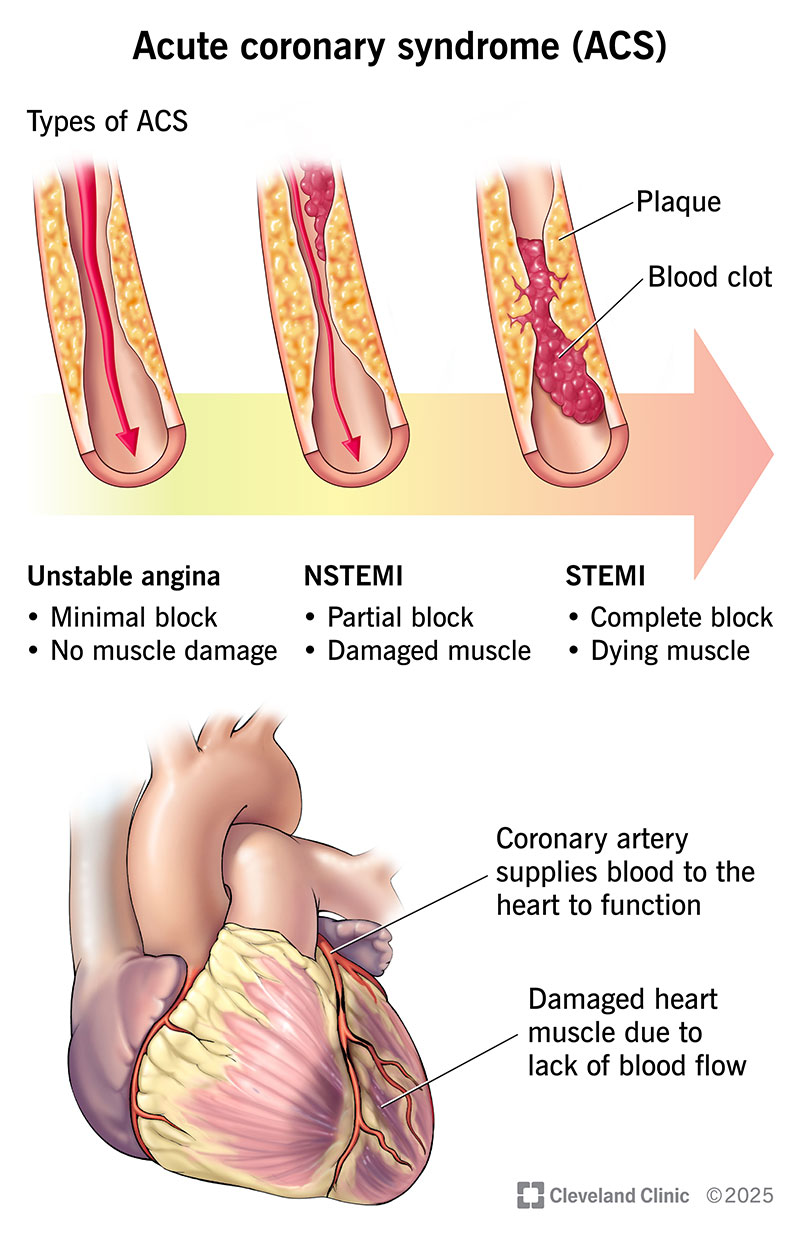
So what is acute coronary syndrome? ACS is a group of conditions caused by acute myocardial ischemia.
speaker_0HOST
The three terms you'll commonly hear are STEMI, NSTEMI, and unstable angina.
speaker_0HOST
STEMI and NSTEMI involve myocardial infarction, whereas unstable angina causes ischemic symptoms without the troponin rise required for MI.
6 MINS LATER
speaker_0HOST
Has their pain improved? Has their blood pressure changed? Are they becoming more unstable? Have they developed an ar-arrhythmia? Have you repeated your ECG yet? Once the patient's relatively stable, then you can kind of fill in the remaining history.

speaker_1HOST
Yeah.
speaker_0HOST
Anytime an older adult presents with an acute coronary syndrome and the history reveals a recent exposure to a new medication, a contrast dye, or a known allergen, Kuda syndrome must be actively ruled out.
speaker_1HOST
It has to become part of the standard checklist.
speaker_0HOST
Definitely.

Giuseppe PattiGUEST
Now we are in Munich during the ESC Congress 2026, where there were a lot of, uh, sessions focused on lipid-lowering treatments.
Giuseppe PattiGUEST
My topic is the optimization of lipid-lowering therapy in patients with ACS by in- early and intensive lipid-lowering therapies.
Giuseppe PattiGUEST
We know that the, uh, ARMADA-ACS trial demonstrated that upstream load with atorvastatin given before percutaneous coronary intervention in patients with ACS has been associated to a significantly lower incidence as compared with controls of major adverse cardiac events at thirty days.
Giuseppe PattiGUEST
Accordingly, ESC guidelines have anticipated the time of initiation of lipid-lowering therapy in patients with ACS.
Giuseppe PattiGUEST
Initially, the suggested time was at discharge, then became one to four days after the admission, and according to the results of our ARMADA-ACS trial, this time was anticipated to early admission, early administration of, uh, lipid-lowering therapy, initially statin therapy, upon admission in patients with ACS.
Giuseppe PattiGUEST
But these recommendations refer to statin therapy, to oral therapy, and, and an important issue is to consider whether the early initiation of PCSK9 inhibitors, monoclonal antibodies in patients with ACS can be associated with a similar benefit when given upstream in patients receiving percutaneous coronary intervention, PCI.
Giuseppe PattiGUEST
Which is the rationale for an early initiation of monoclonal antibodies in patients with myocardial infarction? The first rationale is represented by the, uh, achievement of very low LDL cholesterol levels.
Giuseppe PattiGUEST
From randomized clinical trials, we know that the use of monoclonal antibodies is associated with the lowest on-treatment LDL cholesterol levels as well as with the highest LDL cholesterol reduction in the intervention arms as compared with the control arm.
Kevin DammanGUEST
Part of the-- The other part of the guideline is when we transition from patients at risk or having chronic kidney disease to patients who have cardiovascular disease and have concomitant chronic kidney disease.
Kevin DammanGUEST
So for instance, a patient that comes to a, a clinic with acute coronary syndrome, having chronic kidney disease, and how this should change or not change your management of these patients.
Kevin DammanGUEST
Most importantly, what we want you to, um, do in practice is do not delay any intervention or any diagnostics or any treatment because you see a patient having chronic kidney disease.
Kevin DammanGUEST
They are at severely increased risk, and many of our evidence-based treatments work as well in patients with chronic kidney disease as those without.
Kevin DammanGUEST
For instance, the, the primary PCI or early invasive strategy in patients with acute coronary syndrome, you should not delay that because the patient has chronic kidney disease.
Kevin DammanGUEST
Now, one of the particularly important cardiovascular diseases in this regard is heart failure, because it's at the crossroad of heart-kidney interaction.
Kevin DammanGUEST
Many patients with heart failure have chronic kidney disease, and when chronic kidney disease is present, this portends a really worse outcome in these patients.

Mitsuaki SawanoHOST
皆さんこんにちは。JAC Varonへようこそ。本日も司会を務めさせていただきます澤野光昭です。本日はコホストに幸坂先生にお越しいただいております。そしてはい、今日はですね、ESCのまたsimultaneous publicationに至った論文のご紹介ということで、非常に皆さんESC終わりたてほやほやだと思うんですけれども、まあこういう会はですね、しばらくちょっと続くので、皆さんぜひお楽しみということなんですが、今回のテーマはですね、脂質降下、あるいはもう ACS 後にどれだけ脂質をうまく下げられるか、そんなテーマでございます。で、今日はですね、この論文の筆頭著者でございます大山和真先生にお越しいただいております。恒例ですので、大山先生のまずはご略歴をご紹介させていただきたいと思いますけども、大山先生は 2009年に東北大学をご卒業されて、その後湘南鎌倉総合病院で研修されております。 2014年から東北大学病院の医院、そして 2019年にですね、TIMIスタディグループ、ブリガムアンドウィメンズホスピタル、ハーバードメディカルスクール、こちらボストン、アメリカですね、にご留学されております。それから同時に、ハーバードの公衆衛生大学院の公衆衛生学大学を修士として行かれております。 2022年にですね、東北大学の東北大学病院助教として戻られております。そして今回が、大山先生が筆頭著者を務められている論文のタイトルがですね、「Protocol-based Implementation of Early Intensive Lipid Management After Acute Coronary Syndrome: the BRIDGE Trial」ということで、今回はですね、ESCミュンヘンで行われましたけども、これがレイトブレーキングクリニカルトライアルとして発表されておりますし、それからJACの方に同時掲載されている論文でございます。さて、大山先生にですね、まずはこちらの研究の背景、この論文自体がなんで重要なのか、またこの研究はなんで新しいのか、その辺をですね、ご解説いただきたいなと思いますので、大山先生よろしくお願い致します。
Kazuma OhyamaGUEST
はい。澤野先生、ご紹介いただきありがとうございます。東北大学の大山です。では、早速概要をご紹介いただきましたので、私の方から早速背景に入っていきたいと思います。えっとまあACS 後ですね、LDL5を低下させる治療法に関しては、やはりかなり薬がだいぶ揃ってきてます。スタチン、EZチミブ、PCSK9阻害薬などが揃って、それがそれぞれCVアウトカム試験で大型のRCTでしっかりCVアウトカムを改善するというふうなエビデンスがもう揃ってきていると。けど一方でですね、まああの、そちら側の治療法がガイドラインでも、まあそれを用いて治療せよと。で、まあコレステロールの目標値はまあ日本、また海外で少し異なるところはありますが、しっかり目標値に向かって早期に下げなさいというふうなことがレコメンデーションされている状況。けど、一方で、あの、例えばまあかなりまあハイボリュームなセンターとか先進医療施設ではおそらくまあ達成されているかもしれないんですが、やはり実臨床全体でですね、あの、考えてみると、実はやはりLDLコレステロール目標値を達成できてない患者が依然として多いと。で、やはりこの日本でも海外でも、やっぱこういったですね、あのエビデンスとやはりリアルワールドのあのギャップというのをどうやって埋めるのかというふうな、まあ、実装研究、インプリメンテーションスタディっていうのが、やはりまああの、今盛んにえー行われている。やはりどんどんいろんなRC、今回のESCでもかなりのいろんなRCTが進んで、エビデンスが進めば進むほど、おそらくこのあのギャップというのが、もしかしたら広がっていく可能性があるので、やはりこのインプリメンテーションスタディ実装研究ってのがすごく大事になってきていると思います。で、今回もやはりそのような、まあそのギャップに取り組むべくですね、えーとBRIDGE試験でですね、どうやってこのあのギャップをえっと埋めるためにですね、取り組むのか。で、過去のあの同様の研究は、実はあまり成功してない、あの研究があの海外含めて多くてですね、例えばあの、大体そういうふうなあのインプリメンテーションスタディだと、結果的にはですね、あの、まあトリーティングフィジシャンに、まあこの人はハイリスクですよ、この人はこのぐらいLDLコレステロールを下げた方がいいですよという風に注意喚起を強くするっていうことがメインの、まああのインプリメンテーション、インターベンションだったんですけれども、やはりそれじゃあ多分おそらく変わらないところに、あのやはり問題があるんだなと思いまして、今回はそれをですね、やはりもっと具体的なプロトコールとして、この後また詳しく言いますけども、どのようにですね、治療法を、あの脂質低下療法を変更して、いつそれを変更して、またどのタイミングで再評価してもう一回変更する、こういうところですね。具体的にやはりプロトコール化した方がいいのではないかというふうな仮説を立てて、それを検証した、それが今回のBRIDGEトライアルになります。
Mitsuaki SawanoHOST
大山先生ありがとうございます。ほんとインプリメンテーションサイエンスとか、インプリメンテーション、まあプラグマティックトライアルとか、そういった言葉が今あのすごくですね、注目されております。大山先生言われた通り、一個一個の薬、あるいはデバイスが効く。そして、例えば心臓、心血管リスクを減らす。 そんなことはわかっていても、じゃあ実際に世の中に出した後、みんなが使ってくれるのか、どの程度使ってくれるのか。あるいはガイドラインで推奨しても、それが本当に実践されているのか、実践されるにはどうしたらいいのかっていうところを考えていくっていう、そういうフレームワークで、よりですね、皆さんの日々の臨床につながるようなトライアルなのかなというふうに感じております。皆さん、まずですね、この研究デザインのところすごく気になると思いますので、大山先生、まず論文の概要として、研究のデザインと、あと論文の目的を一言説明いただけますでしょうか。
Kazuma OhyamaGUEST
はい。えーと、研究デザインは今回クラスターランダム化比較試験というふうな研究デザインをとっております。目的は ACS、急性冠症候群の患者の急性期において、プロトコールに基づく脂質管理のストラテジーがスタンダードケアと比較して、ガイドライン推奨の LDL コレステロール目標値の達成率を改善させるかどうかを検証することです。
Mitsuaki SawanoHOST
大山先生ありがとうございます。ではですね、スライドをもってこちらの解説をいただければと思うんですけれども、まずですね、こちらですね。まず1つ目。これ、セントラルイラストレーションの一番上の上3分の1ですね、の解説をお願いいたします。
Kazuma OhyamaGUEST
はい。えーと、今回のBRIDGEトライアルは、日本の10施設、主に東北地方にあります東蔵関連病院の10施設の施設をからクラスターランダム化比較試験と言いまして。先生、1個戻って、すいません、戻ってもらっていいですか?はい。 10施設の施設を5施設、 5施設に 1対1にスタンダード通常診療とプロトコルベースに基づいた治療にランダム化クラスターランダム化比較試験なので、患者をペイシェントレベルのランダマイゼーションではなくて、施設を5施設5施設に割り付けしたというふうなデザインになりまして。6ヶ月後のLDLコレステロールの目標値の達成率がエンドポイントになっております。ポピュレーションに関しては、ACS、ステミーステミー、アンステイブルアンジアナを含んだ ACS の330名で緊急の PCI を受けた患者が対象患者となりました。
Mitsuaki SawanoHOST
ありがとうございます。ポイントは施設単位でのランダマイゼーションで、患者さん自身を一人一人の患者さんに対する介入ではなく、施設がこの後出てきますけど、プロトコールベースドケアか、あるいはスタンダードケアっていう形でランダマイズされている。ちょっとこの辺がいつもの皆さんが馴染みのあるトライアルとちょっと違うかなというところだと思います。次のスライドいきたいと思います。
Kazuma OhyamaGUEST
はい。えーと、一応まああの、この始めるにあたって、やはりそのプロトコルに関しては、プロトコルの教育プロトコルはどういうふうな仕組みで運用してほしいかというのを事前にオンサイトでエデュケーションを各施設で行っています。そこで、急性期には事前に患者ごとに用意したプロトコルの載っている紙ベースのものを用いて、 PCI を施行した施行医、担当医の先生が患者登録をして、患者の LDL コレステロールの値と入院時のスタチンの内服の有無や脂質低下療法の内服状況に応じて、後で詳しく説明しますがおうじて、トリーティングフィジシャンがそのどの治療法を行くかというのを判断しています。これが急性期の治療と。で、プロトコルの基づいた治療群に関しては、薬剤変更は原則的に 2回のタイミングだけです。入院中の今申し上げたとこの 1回と 4週間後のフォローアップの 2回目。この 2回目だけで、あとは基本的にはそのレジメを 6ヶ月間ずっと継続するというふうななります。で、 4週間後のフォローアップの変更に関しては、トリーティングフィジシャンプラス予定組まれてますので、 CRC のフォローアップがありながら、基本的にはフィジシャンがプロトコルを見て判断するところにですね、 CRC がフォローアップが組まれているかどうかや検査が組まれているかどうか、一応そのプロトコルに準じた治療変更になっているかどうかを、 4週目は一緒にトリーティングフィジシャンと CRC が判断しているというふうなことになります。
11 more episodes mention acute coronary syndrome.
Create an account to see the whole feed, search across every transcript, and follow the entities you care about.