Accumulated other comprehensive income
7
MENTIONS
6
EPISODES
6
PODCASTS
Search complete. 7 mentions across 6 episodes found for "Accumulated other comprehensive income".
Oct 26, 2026

Steven ScheererHOST
Unfortunately, it also extends cash flows.
Steven ScheererHOST
which can be uncomfortable for banks already managing duration and AOCI exposure.
Kirill KrylovHOST
Well, that's so true, Stephen.
Kirill KrylovHOST
Slower prepayments can and do look attractive.
Kirill KrylovHOST
But those slower prepayments can look attractive until the portfolio actually needs principal back.
Kirill KrylovHOST
For Bain, trying to shorten duration receiving less principal than expected, well, has hardly something to celebrate.
Kirill KrylovHOST
And proposed changes to regulatory capital treatment and AOCI could make that trade-off even more consequential.
Kirill KrylovHOST
Although, to be fair, the rules of the game have not yet been finalized.

Mike DriscollGUEST
Positively, banks learned some valuable lessons and have shortened the duration of their securities holdings, have generally also reduced the size of their securities book, and have looked to increase their holdings of insured deposits.
Mike DriscollGUEST
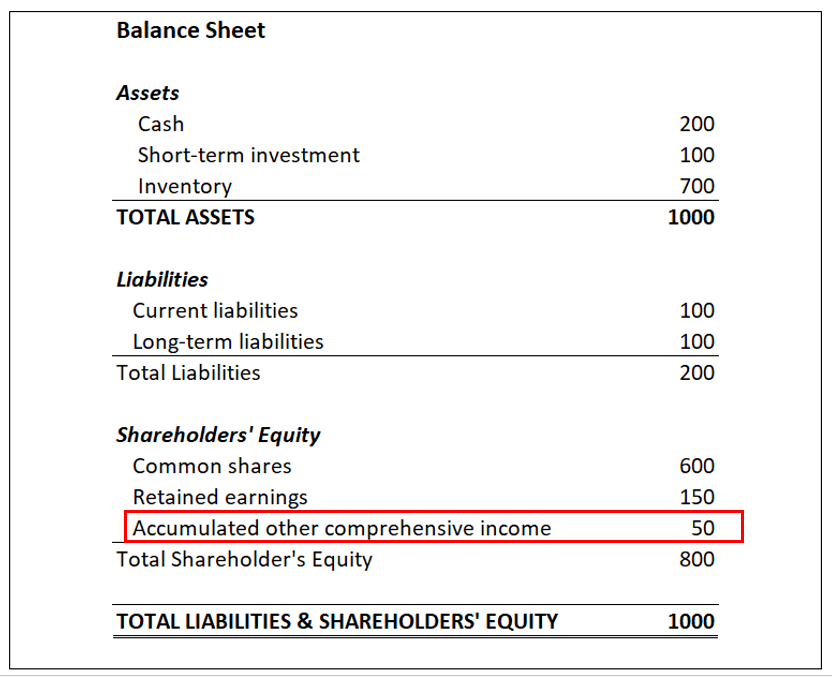
Also, while many banks did not have to incorporate accumulated other comprehensive income into the regulatory capital ratios, the market forced banks to report capital, including AOCI, making banks more disciplined.
Elena PérezHOST
And outside of the world of banks, how would the other financial institutions sectors fare? What would be some of the main considerations there?
Mike DriscollGUEST
Non-investment grade financial institution issuers will likely see higher spreads and increase in overall funding costs, as investors can be more selective while earning an attractive yield on less risky fixed income securities.

speaker_2HOST
What do you think the market is, is missing about this story, or is this more of an opportunity cost story where there are just other areas that seem more attractive right now?
Cheryl PateGUEST
I, I think there certainly was a pullback, um, when the Fed raised rates back in September, and, you know, we saw, um, some pullback in the banking sector broadly given what was going on in the bond market and perhaps, you know, concerns about, um, AOCI and the impact on securities portfolios along with, you know, this larger debate that we're having over AI.
Cheryl PateGUEST
Um, you know, I think this is really actually an attractive entry point into bank stocks.
Cheryl PateGUEST
I think there's multi-year tailwinds to come from things like capital markets, loan growth picking up, and, and margins expanding.

Gerard CassidyGUEST
Jamie Dimon at Goldman Sachs, JP Morgan pointed this out.
Gerard CassidyGUEST
But also there's a concern that as interest rates go higher, that might be impacting the capital levels for the banks because of the AOCI accumulated other comprehensive income, which is essentially unrealized bond losses.
Gerard CassidyGUEST
So I think it's a combination of these factors.
Gerard CassidyGUEST
But the numbers, to your point, were in line to better.

Richard CoffinHOST
Uh, but a key caveat here is that, again, because regional banks are not held to the same standard as the larger companies and, and GSIBs, there are actually some losses that are excluded from calculating this ratio.
Richard CoffinHOST
Specifically, the company chose to opt out of a certain standard that, quote, "allows it to exclude from capital AOCI or accumulated other comprehensive income related to available-for-sale debt and equity securities, cash flow hedges, defined benefit post-retirement plans, and held-to-maturity securities." And if you reverse that adjustment, you can see that the CET1 ratio would have actually been 10.4%.
Richard CoffinHOST
Now, here's the thing.
Richard CoffinHOST
That's still not that, that different from the peer group here, and it's not really these unrealized losses that people are worried about, but rather the unrealized losses for held-to-maturity securities, which doesn't reflect in any of the CET1 ratios and is much, much larger.

Joe SilviaHOST
However, available for sale investments are marked to market on an ongoing basis.
Joe SilviaHOST
The largest banks have to report changes in the market value of their available for sale investments in book equity as what's called AOCI, or accumulated other comprehensive income.
Joe SilviaHOST
Okay, so this is a key distinction.
Joe SilviaHOST
There's held to maturity, or HTM, and available for sale, AFS.