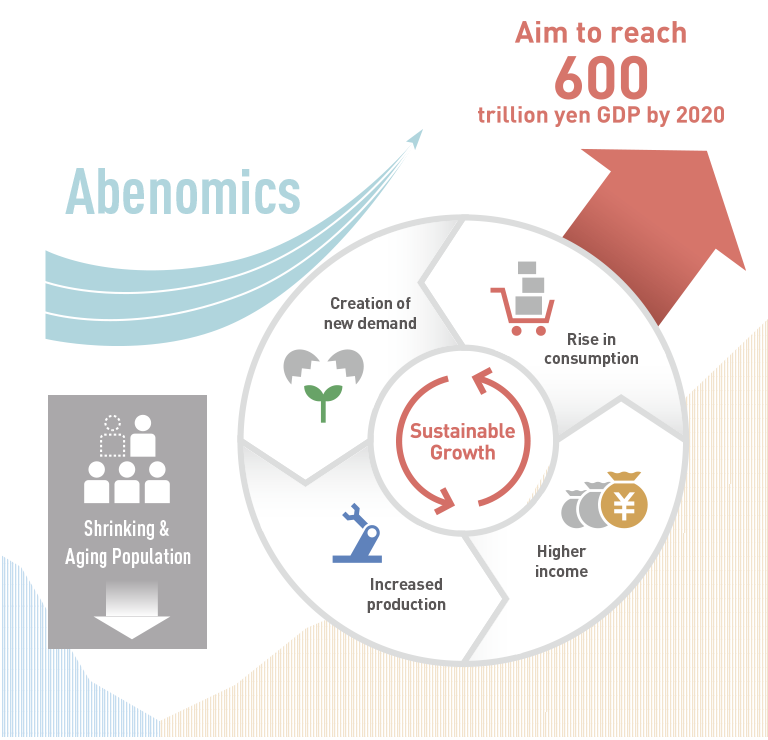
Abenomics
27
MENTIONS
20
EPISODES
19
PODCASTS
Search complete. 27 mentions across 20 episodes found for "Abenomics".
Sep 25, 2026

Danny DayanGUEST
Um, and it took them decades to recover from it.
Danny DayanGUEST
Japan never really recovered from the balance sheet recession until Abenomics started kickstarting.
Danny DayanGUEST
Also, the wealth effect is similar.
Danny DayanGUEST
You know, uh, you know, let's weaken the yen and get assets up and, and so on and so forth.

Thibault MaissinGUEST
The large majority victory from the LDP with the super majority allows for much more room for the current government to act, and I think this is a very positive for the Japanese market as a whole.
Thibault MaissinGUEST
Most investors still are looking at the lens of Japan through the Abenomics lens, which is accommodative monetary policy, fiscal supports, and gradual reforms.
Thibault MaissinGUEST
That framework is well understood and largely priced in, I think.
Thibault MaissinGUEST
But where I see the potential upside for the Japanese market and the main source of surprise is that could Sanae Takaichi lead the country towards a more reform-driven agenda, an approach that would be more inspired by structural reforms, deregulation in investment, which would be most like something we've seen recently in Germany, for example, in Europe.

Vincent DeluardGUEST
Then nominal GDP went up.
Vincent DeluardGUEST
So if you look at this adjusted, central bank adjusted debt to nominal GDP ratio, it fell by 50 percentage point since Abenomics in 15 years.
Vincent DeluardGUEST
I mean, this is a f-, you know, Ray Dalio loves to talk about the beautiful de-leveraging, right? What the US did after World War II.
Vincent DeluardGUEST
This is a very beautiful de-leveraging.

Jens NordvigGUEST
He's always been a Japan expert.
Jens NordvigGUEST
Actually, the reason I know Scott Bessent is that I was head of research in the Mora Securities, which is the biggest Japanese broker, right? And we always talked about Japan, uh, together, uh, when Abenomics just started.
Michael BatnickHOST
You, you were ranked, you were ranked the number one currency strategist by institutional investor for five consecutive years.
Josh BrownHOST
Oh yeah? What's the yen gonna do t-t-to tomorrow, smarty pants?
Michael BatnickHOST
When were those, when were those years? Was that 2010 era?
Jens NordvigGUEST
Yeah, I joined Nomura in, uh, 2009, and those were the years.
Jens NordvigGUEST
Yeah, so there was that, when the Euro crisis happened and, and Abenomics started-
Michael BatnickHOST
And you think what we're about to see might be even more interesting than that?

Helen ThomasGUEST
Uh, George Osborne did that with Mark Carney, people may remember in the UK.
Helen ThomasGUEST
In Japan, there was, uh, Abenomics under Shinzo Abe.
Helen ThomasGUEST
He appointed his guy as governor.
Helen ThomasGUEST
So not unusual, quite normal for a new leader to want, uh, an, as a fresh outlook from their central bank because, of course, fiscal and monetary policy, uh, are s- very important how they interact.

Larry KudlowSOUNDBITE_SPEAKER
Growth solves a lot of problems, but growth comes from free enterprise and market competition, not from a statist government.
Scott BessentSOUNDBITE_SPEAKER
Look, if I look back, Japan implemented Abenomics in 2012, 2013, and one of the most important aspects of that was the deregulatory aspect, was the corporate sector getting more efficient and the private sector jobs.
Scott BessentSOUNDBITE_SPEAKER
And as I've said over the past few days, I think Abenomics was a restructuring the economy, a reflationary program, and now I think Japan can sit back and enjoy the benefits to that it's
speaker_10ADVERTISER
agriculture today manage your risk and take advantage of opportunities with stone x utilizing stone x's global presence to provide the best in market intelligence a vast portfolio of risk management and marketing products and a team of brokers who specialize in working with those in agriculture stone x provides the resources you need to make the best possible decisions learn more about the stone x advantage call donnie hughes at 214-613-1688 There's substantial risk to futures and options trading.
speaker_10ADVERTISER
Not all products are suitable for all producers.

Jamie HulseGUEST
And I thought, hold on, that doesn't gel with everything I've been told.
Jamie HulseGUEST
So I went down the rabbit hole of the history of activism in Japan, the legal framework that underpins the corporate governance environment in Japan, and then into the reforms that were being brought in with Abenomics, so the stewardship code and governance code that we discussed earlier, for example.
Jamie HulseGUEST
And I looked at that and I thought, wow, this is an incredible opportunity.
Jamie HulseGUEST
I was very familiar with the history of shareholder activism in the US and Australia, uh, and New Zealand, um, with the corporate raiders, that sort of thing, from the '80s.

Beat NussbaumerGUEST
Yeah.
Beat NussbaumerGUEST
Because of, uh, the fiscal policy of the Abenomic idea from Takaichi, there was a bit of a detour in the yen, and we obviously had this 160-plus move and whatever, whatever else.
Beat NussbaumerGUEST
But the bigger picture, if you zoom out and you talk about multi-year processes, this is huge, right? I flagged it earlier in the year And this is still as huge.
Beat NussbaumerGUEST
Uh, uh, and that's where Bessent has to be careful because while in the short term he wants to stop the MOF selling bonds and calm down JGBs and do whatever he can not to have a FX crisis in the yen, the other side of that coin is actually at some point the GPIF goes, "You know what? We have too many US bonds." Listen what, uh, more, uh, a petroleum fund from Norway said, uh, uh, this week-

Alastair IrvineGUEST
But, but a lot of what has driven the market, uh, over the past 10 years, and it's been a, it's been a slow burner, um, but it, but it is, but it's now fizzing away, uh, has been the structural change that was brought about by Prime Minister Abe beginning in 2015.
Alastair IrvineGUEST
So, and it became known as Abenomics.
Alastair IrvineGUEST
And this was, this was his realization that, that Japan internationally would struggle unless it could attract int- big international capital.
Alastair IrvineGUEST
It's a very, very conservative society.

Arthur HayesGUEST
We all agree, but what are you going to do about it? Is there going to be some sort of impetus from the government to force this to happen? The last time there was a major change in the asset allocation of GPIF, and then downstream everyone else follows, that's individuals as businesses, was in 2012.
Arthur HayesGUEST
Prime Minister Abe came out and said, this is Abenomics, which is just printing money, and we want the GPIF to change their asset allocation to favor foreign securities more than domestic.
Arthur HayesGUEST
Right.
Arthur HayesGUEST
And it took him two years to get the formal agreement from the GPF ministers.
10 more episodes mention Abenomics.
Create an account to see the whole feed, search across every transcript, and follow the entities you care about.